
Last updated October 16, 2026
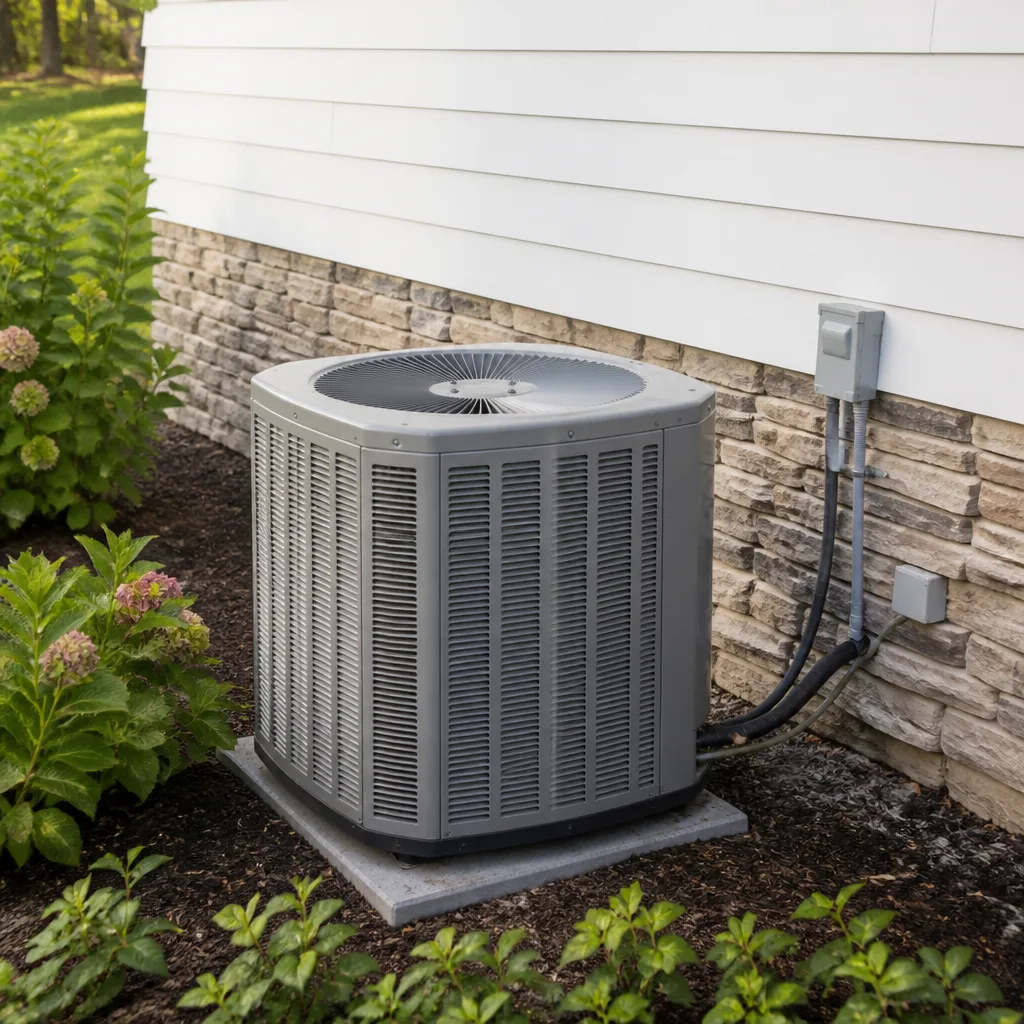 AC repair
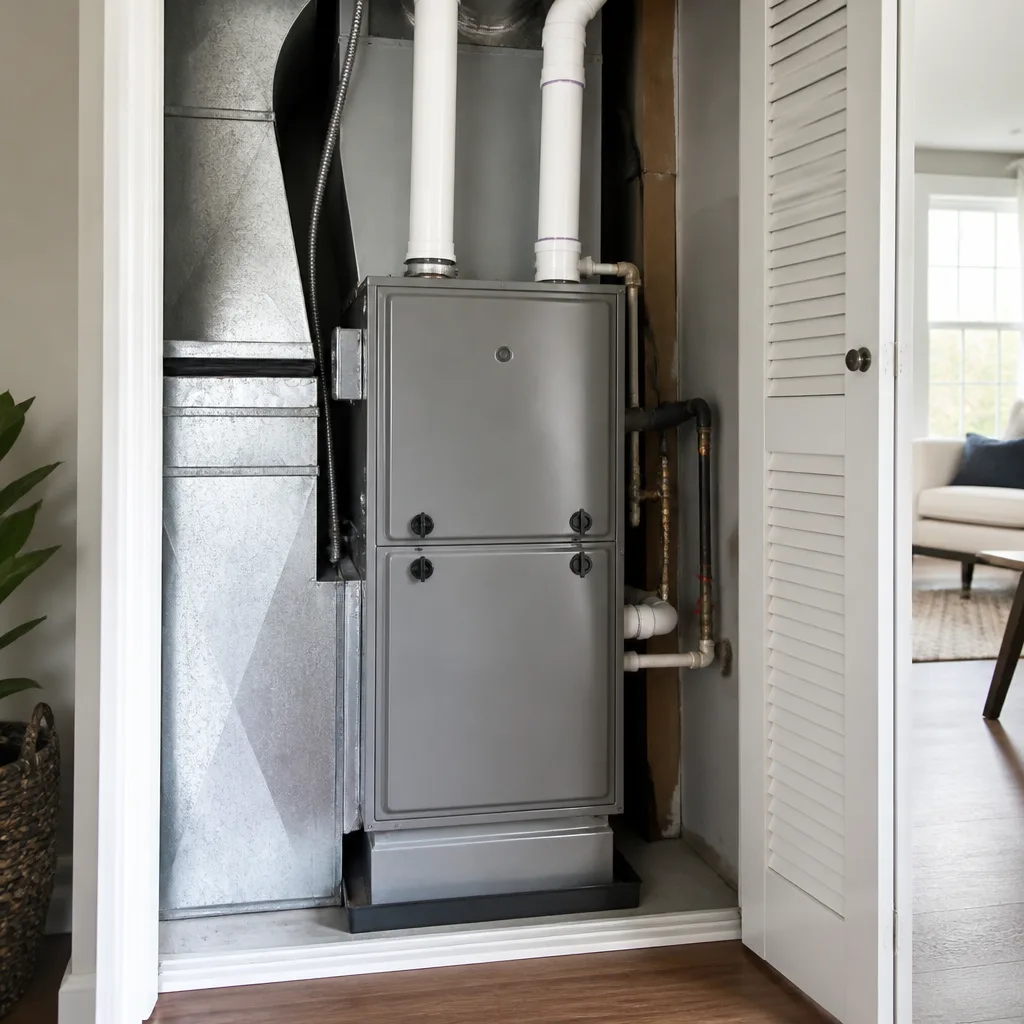 Furnace & heating
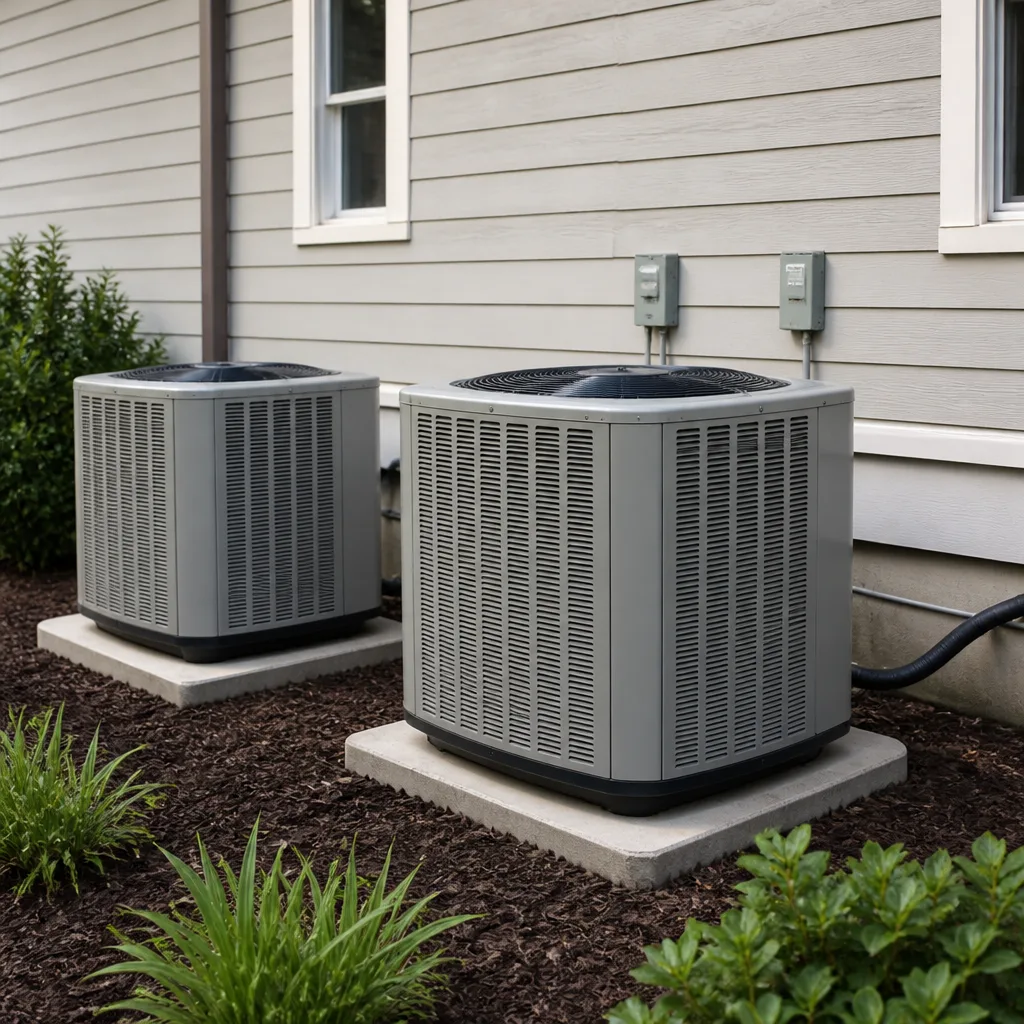 Heat pumps
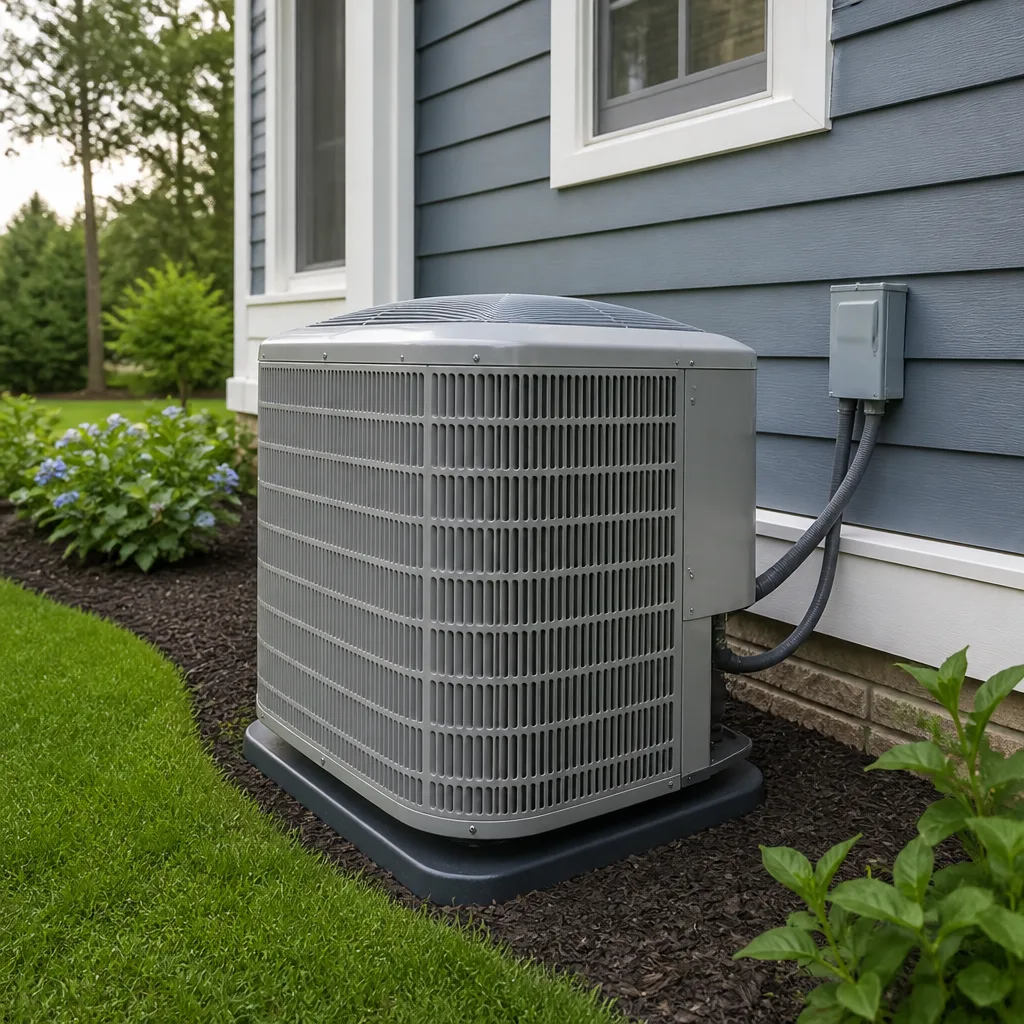 Carrier
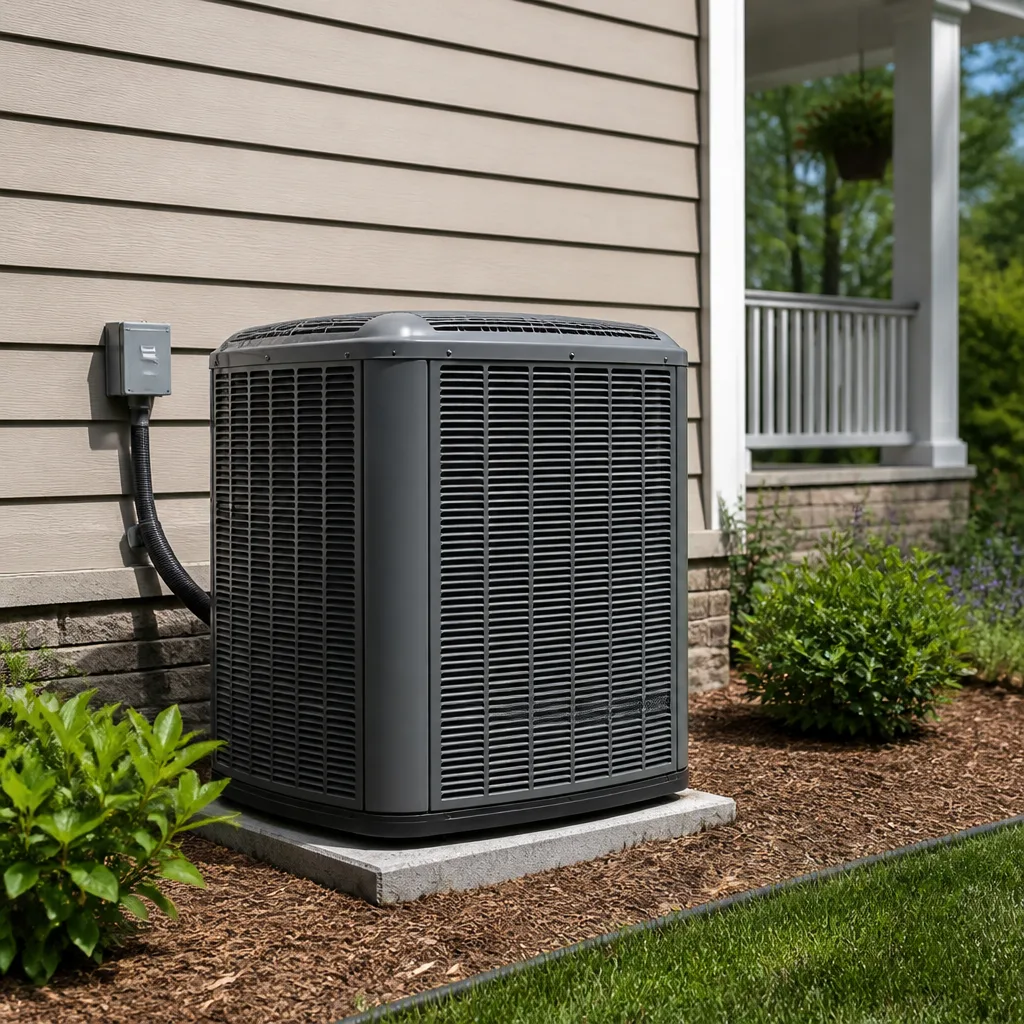 Trane
TraneSeasonal tune-up and full diagnostic on your Carrier, Trane, or Goodman system - readings shown to you before any repair is proposed
Diagnosis first, numbers second - you approve the repair price before a single part goes in.
Get your free estimateDIY vs Professional HVAC: The Miami Homeowner’s Decision Guide
In Miami-Dade County, a homeowner who opens a refrigerant line without an EPA 608 certification is committing a federal violation with fines up to $44,539 per day. That’s not a scare tactic. It’s the current penalty structure under Section 608 of the Clean Air Act, and every year we get calls from Miami homeowners who bought a $40 “recharge kit” online, watched a YouTube video, and now have a dead compressor, a voided warranty, and a system that won’t cool a 94-degree house in July. This guide walks you through exactly where the line sits between jobs you can safely own and jobs that belong in the hands of a licensed Miami HVAC contractor-something we cover in detail in our How to Hire a HVAC Contractor in Miami: A Step-by-Step Guide. You’ll learn which five tasks are genuinely doable, which four are legally or practically off-limits, and how Miami’s humidity, salt air, and building codes change the equation compared to other parts of the country.
Quick Answer
DIY HVAC in Miami makes sense for five specific maintenance tasks: changing air filters, cleaning the condensate drain line, replacing a thermostat, clearing debris from around the outdoor unit, and straightening bent coil fins with a fin comb. Everything else, especially anything involving refrigerant, line voltage electrical, or a full system replacement, should go to a licensed Miami contractor. The line isn’t about skill, it’s about federal law, Florida code, manufacturer warranty terms, and the speed at which Miami’s climate punishes a mistake.
Styles & brands we work with
Table of Contents
- The Real Cost of a DIY Mistake in Miami
- Jobs You Can Own: The Homeowner Do-List
- Jobs You Must Hand Off: The Licensed Tech List
- The Miami Factor: Humidity, Salt, and Code
- How to Vet a YouTube Tutorial for Miami
- The Middle Path: Prep Work That Reduces Your Bill
- What a Legit Miami HVAC Company Should Show You
- Common Mistakes to Avoid
- When to Call a Professional
- Frequently Asked Questions
The Real Cost of a DIY Mistake in Miami
Let’s put actual dollars on this, because the numbers are what make the decision clear. A DIY blower motor replacement where the homeowner miswires the capacitor ruins the new motor and often the control board. That’s $800 to $1,200 in parts, plus a service call from a licensed tech to undo the damage. A condensate drain line that gets “cleaned” with the wrong method, or simply ignored, backs up into the air handler pan. In Miami’s 80 percent average humidity, that standing water grows mold inside the unit within two to three weeks. What started as a free DIY fix becomes a $1,200 mold remediation job on top of the original drain issue.
We see a version of this every summer. A homeowner in Kendall replaces his own capacitor, gets the microfarad rating wrong by 5 mfd, and three weeks later the compressor burns out on a Saturday afternoon in August. Now he needs a $2,800 compressor replacement instead of a $185 service call. The math on DIY only works when the job goes perfectly. In Miami, where a failed AC is a health issue and not a comfort preference, the downside carries more weight than it does in a dryer, cooler city.
This isn’t a lecture about “leaving it to the pros” for everything. It’s a hard-eyed look at which jobs have a real margin for error and which ones don’t. Some HVAC work is genuinely homeowner-appropriate. Other work is legally closed to you, full stop. The rest of this guide is about knowing which is which before you touch a screwdriver.
Jobs You Can Own: The Homeowner Do-List
Here are the five tasks a Miami homeowner can and should handle. None of them touch refrigerant, none of them involve line voltage, and all of them pay off in lower energy bills and fewer breakdowns. We’ll give you the how, the why, and the Miami-specific caveat for each.
1. Air Filter Changes
This is the highest-leverage maintenance item on any HVAC system, and it takes 90 seconds. In Miami, where systems run 3,000-plus hours a year, we recommend checking the filter every 30 days during peak cooling months. A clogged filter raises static pressure, reduces airflow, and causes the evaporator coil to freeze. A frozen coil, left running, can destroy a compressor. A filter costs $8 to $25. A compressor costs $1,800 to $3,400. Buy the right size, which is printed on the edge of the existing filter, and don’t buy the $30 “high MERV allergy” filters unless the system was designed for them. They restrict airflow in most Miami residential setups.
2. Condensate Drain Line Cleaning
In Miami’s humidity, your drain line moves gallons of water daily. Algae and sludge build up inside the 3/4-inch PVC line and eventually clog it, triggering a float switch shutdown. You can pour a cup of white vinegar or a commercial line cleaner into the drain opening once a month. For a harder clog, a wet-dry vacuum attached to the drain line outlet outside the house often pulls the blockage free. The key Miami-specific step: do this year-round, not seasonally. A March drought doesn’t stop algae growth, and October’s heavy rain doesn’t wash it away. A clogged drain line is the single most common no-cool call we run in Miami from April through November.
3. Thermostat Replacement
Replacing a basic thermostat is within reach for most homeowners. You’re working with 24-volt control wiring, not line voltage. Shut off power to the air handler at the breaker first, photograph the old wiring configuration before removing anything, and match the wires to the new thermostat’s terminal labels. The Miami-specific caution: if you have a heat pump system, make sure the new thermostat is configured for heat pump operation, not conventional. Wrong configuration means your system runs auxiliary heat strips while cooling, which can add $150 or more to a single month’s electric bill. If the manufacturer’s wiring diagram doesn’t match what you see, stop and call a professional. Thermostat mistakes are cheap to fix in the moment and expensive when they quietly misconfigure a system for months.
4. Outdoor Unit Debris Clearing
Your condenser sits outside in Miami’s full assault of oak leaves, grass clippings, sea grape leaves, and general organic debris. Clear a two-foot radius around the unit. Cut back any vegetation encroaching on the cabinet. Use a garden hose on the outside of the coil fins with gentle pressure, never a pressure washer. A pressure washer folds the fins flat and kills airflow. Do this twice a year, and you’ll extend the life of the unit. The Miami-specific angle: salt air accelerates corrosion on condenser coils and exposed metal, so keeping the coil surface clean matters even more here than it does inland. Salt holds moisture against the aluminum, which eats the fins over time.
5. Coil Fin Straightening with a Fin Comb
Bent condenser fins reduce the surface area available for heat exchange, which reduces efficiency and shortens compressor life. A fin comb, available at any hardware or HVAC supply shop for $15 to $40, straightens bent fins back into place. Match the comb’s fin-spacing specification to your coil’s fins per inch, which is stamped on the unit’s data plate or available from the manufacturer. Work gently, in the direction of the fins, and don’t expect perfection. The goal is airflow restoration, not a showroom finish. If the fins are crushed flat over more than a few square inches, the coil may be beyond combing, and compressor failure is the long-term risk. At that point, you need a professional evaluation.
These five tasks cover about 80 percent of what a proactive homeowner can realistically handle. Everything else falls into the next section.
Jobs You Must Hand Off: The Licensed Tech List
This is the hard line. These tasks are not a question of skill or confidence. They’re closed to unlicensed homeowners by federal law, Florida code, HVAC Permits, Codes & Inspections in FL: What You Need to Know, or manufacturer warranty terms. Here’s the definitive list and the specific reason each one is off-limits.
1. Refrigerant Handling (EPA 608 Certification Required)
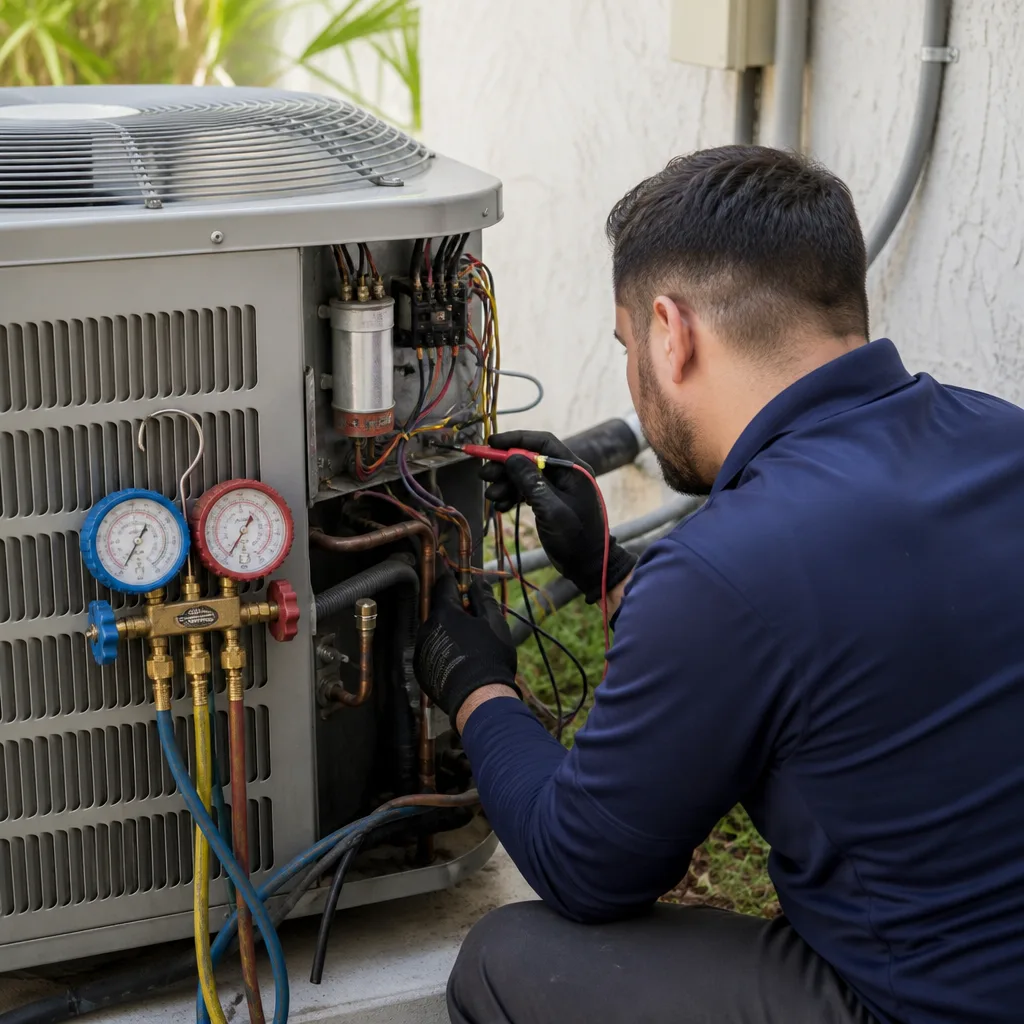
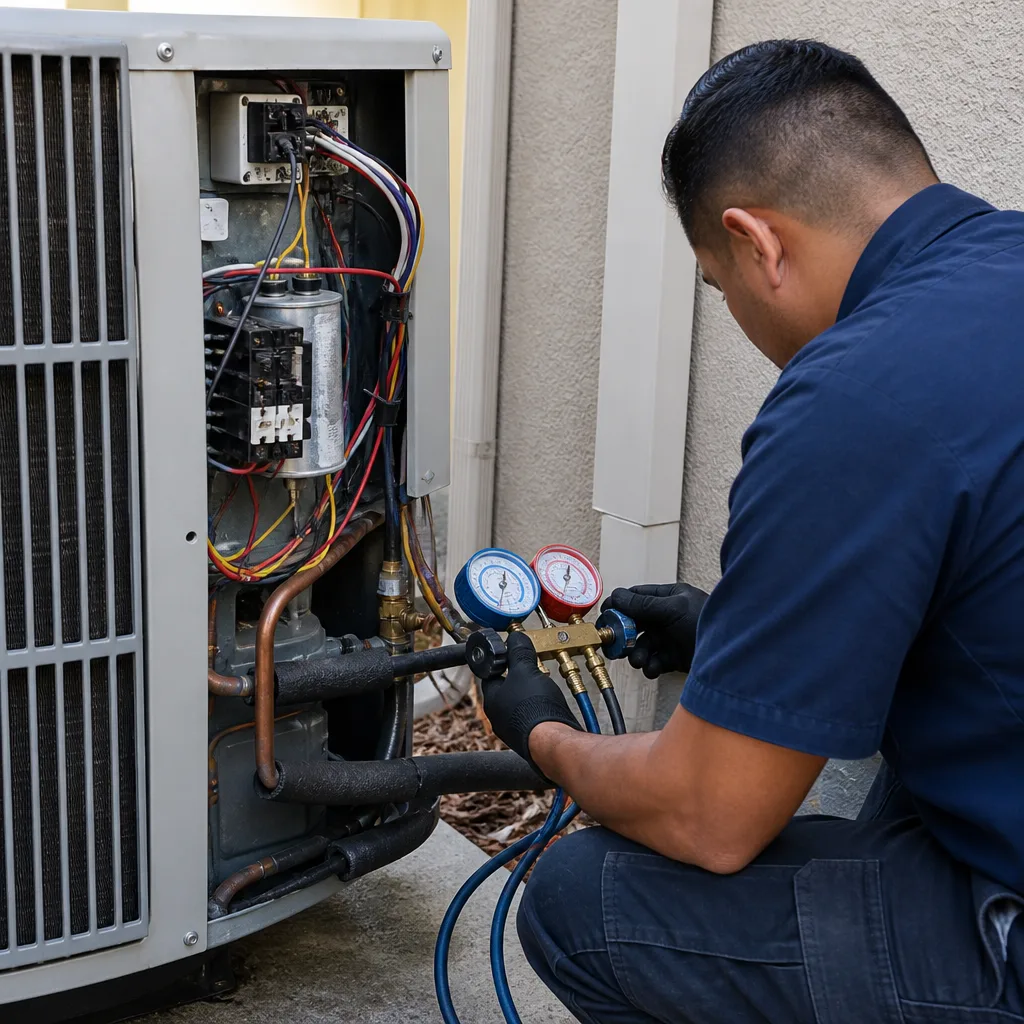
The Clean Air Act prohibits anyone without an EPA Section 608 certification from purchasing, handling, or adding refrigerant to a residential AC system. This applies to R-410A systems currently in service and to the new A2L-refrigerant systems rolling out under federal mandates. The penalty is up to $44,539 per day, per violation, and the EPA does pursue individual homeowners. Beyond the legal exposure, refrigerant work demands gauge manifolds, vacuum pumps, recovery equipment, and leak detection tools that cost more than hiring a professional for several service calls. A system low on refrigerant has a leak. Adding refrigerant without finding and fixing the leak means the gas escapes again, and in Miami, a system low on charge in August can overheat a compressor in days. If your system is low on refrigerant, call a licensed HVAC contractor. This is the clearest line in the entire guide. Do not cross it. Our AC Repair in Miami page covers what a proper refrigerant service looks like.
2. Electrical Work Over 50 Volts (Florida Electrical Code)
Your condenser and air handler run on 240-volt circuits. Capacitors, contactors, compressors, blower motors, and circuit boards all sit on the line-voltage side of the system. Florida requires a licensed electrical contractor or a licensed HVAC contractor performing within the scope of their license for this work. The practical reason goes beyond code: a capacitor holds a charge even after power is disconnected, and a miswired contactor can start a fire inside the unit. We’ve replaced control boards in Miami homes where a homeowner replaced a contactor, didn’t tighten the lugs, and the resulting arc welded the contactor to the wires. The repair bill was three times the cost of the original service call. Electrical work inside an HVAC system is not a learning project.
3. Permit-Required System Replacements (Miami-Dade County)
Miami-Dade County requires a mechanical permit for most AC replacements and for certain equipment relocations. The permit ensures the work meets Florida Building Code, including wind-load anchoring requirements specific to South Florida’s hurricane exposure. A homeowner who replaces a condenser without a permit now has an unpermitted installation. That becomes a problem at resale, at insurance renewal, and at any point where an inspection occurs. The permit also triggers a code inspection, which protects you from paying full price for a sloppy install. A unpermitted installation also voids most manufacturer warranties, because Trane, Lennox, Goodman, and Rheem all require installation by a licensed contractor to honor the compressor and coil warranties. If you’re considering a system replacement, the permit process is part of the job. Heat Pump Installation in Miami covers what a compliant installation includes.
4. Warranty-Protected Component Replacement
Here’s the one most homeowners miss. A Trane or Lennox compressor carries a 10-year parts warranty, but the warranty language in nearly every major brand’s documentation states that the unit must be serviced by a licensed HVAC professional using approved procedures. Homeowner repairs void the warranty on the affected component and often on related parts. A Goodman compressor failure that would have been covered in full becomes an out-of-pocket $2,000-plus repair because a homeowner replaced the capacitor six months earlier and the service history shows non-licensed work. The warranty exists to protect you, but only if you stay within its terms. Replacing a thermostat or clearing debris doesn’t affect warranty coverage. Touching the refrigerant circuit, the electrical cabinet, or the compressor does.
The Miami Factor: Humidity, Salt, and Code
Most HVAC guides are written by people in Kentucky or Arizona. They talk about seasonal tune-ups and “prepping for winter.” They don’t understand that in Miami, the AC runs in December, the humidity never drops below 60 percent for months at a stretch, and the salt in the air from the Atlantic is slowly corroding every exposed metal surface on your property. This section covers the three Miami-specific factors that change the DIY calculus entirely.
Humidity Changes the Failure Timeline
A slow condensate drain leak in Phoenix dries out and leaves a water spot. That same leak in Miami feeds mold growth inside the air handler within two to three weeks. The air handler sits in a dark, 75-degree space with constant airflow. That’s a mold incubator. What a homeowner might tolerate as a “minor drip” in a dry climate becomes a $1,200-plus remediation job in Miami. Every DIY task that touches water management, from drain line cleaning to checking the condensate pan, deserves more urgency here. The consequence of deferral arrives faster.
Salt Air Accelerates Corrosion
If you live east of US-1, in neighborhoods like Coconut Grove, Brickell, or Key Biscayne, your outdoor unit is in a salt-air environment. Condenser coil fins made of aluminum corrode faster, the galvanized steel cabinet rusts at the seams, and electrical connections develop a patina of salt deposits that increases resistance and heat. A homeowner-level coil cleaning twice a year matters more in these neighborhoods. But so does professional attention: a licensed tech can treat corroded connections, apply protective coatings where appropriate, and identify the early stages of coil failure before a refrigerant leak develops. The DIY homeowner can slow the corrosion. Only a professional can assess the damage it’s already done.
Miami-Dade Code Is Not the Rest of Florida’s Code
Miami-Dade’s building code is the strictest in the state, with wind-load requirements born from Hurricane Andrew in 1992. An outdoor condenser in Miami-Dade must be anchored to withstand a specific uplift load, and replacements require a permit that triggers an inspection of the anchoring, the electrical connection, and the refrigerant line set. A homeowner replacing a condenser without a permit is not just violating code; they’re creating a structure that can become a projectile in a hurricane. And on a system replacement, the permit inspection is the only independent verification that the job was done right. A licensed contractor handles this as routine. A homeowner has no path through the process without a license.
How to Vet a YouTube Tutorial for Miami
YouTube is full of HVAC tutorials. Some are excellent. Many are filmed by well-meaning people in dry climates, with different codes, and the advice does not transfer to South Florida. Here’s a step-by-step method for evaluating whether a tutorial applies to your Miami home before you follow a single step.
- Check the uploader’s location. A tutorial filmed in Phoenix or Las Vegas shows a system that runs hard in dry heat and sits idle in winter. That’s not your system. Look for creators in Florida, Texas, Louisiana, or coastal Georgia. Coastal creators understand humidity, salt, and condensate management.
- Watch for condensate management steps. If a tutorial covers an indoor air handler task without mentioning the drain line, the condensate pan, or the float switch, it was made for a different climate. In Miami, every indoor job involves water management. A tutorial that skips it is incomplete for your purposes.
- Look for code compliance mentions. Does the video mention permits, code, or local requirements for the task? If it shows a repair that would require a permit or a license and never mentions it, that’s a red flag. The creator either doesn’t know or doesn’t care.
- Check the date. HVAC technology is changing fast. Refrigerant transitions (R-22 to R-410A to A2L), variable-speed systems, and communicating thermostats all changed what “standard” work looks like. A tutorial from 2015 showing refrigerant work on an R-22 system is doubly wrong: the refrigerant is phased out, and the work requires an EPA 608 certification anyway.
- Compare at least two sources. If two independent tutorials show the same procedure with the same safety steps, the odds improve that the information is sound. If one shows a shortcut the other calls dangerous, default to caution.
- Apply the “warranty test.” Ask one question: if I do this and it goes wrong, does my warranty cover the damage? If the answer is no, or if you’re not sure, that task belongs on the professional list regardless of how confident the tutorial makes you feel.
The Middle Path: Prep Work That Reduces Your Bill
There’s a third option between full DIY and full handoff. You can do the prep work that reduces billable labor time on a professional visit. Every HVAC tech bills by the hour or by the task, which means anything you do in advance that shortens the diagnosis or repair time puts money back in your pocket. Here’s what to do before you call us, or any contractor, in Miami.
Clear the Work Area
Before a tech arrives, clear a three-foot radius around the indoor air handler and the outdoor condenser. Move stored boxes, pull back landscaping, and make sure there’s a clear path from the entry point to both units. If the system is in an attic, make sure the attic access is clear and the area around the air handler is navigable. In Miami’s older homes, attic access is often through a small closet ceiling hatch, and the tech needs room to set up a ladder. Ten minutes of clearing can save half an hour of billable labor.
Gather the Model and Serial Numbers
Every air handler and condenser has a data plate with the manufacturer, model number, and serial number. Photograph both plates before the tech arrives, or write the information down. This tells the tech the system’s age, refrigerant type, and configuration before they even arrive. It also lets them verify warranty coverage before ordering parts. A homeowner who knows the system is a 2018 Trane XR14, not “some kind of Trane,” saves diagnostic time and avoids a wrong-part service call.
Document the Symptoms
Write down what the system is doing, when it started, and under what conditions. “No cool air, intermittent, worse in the afternoon” is more useful than “it’s broken.” Note whether the outdoor unit runs, whether the indoor blower runs, whether there are unusual noises or odors, and what the thermostat reads. A symptom log turns a 45-minute diagnostic into a 20-minute one.
Check the Basics Before You Call
Confirm the breaker hasn’t tripped. Confirm the thermostat is set to cool and the temperature setpoint is below room temperature. Confirm the air filter isn’t visibly clogged. If the system is frozen, which you’ll see as ice on the copper lines at the outdoor unit, shut the system off and let it thaw before the tech arrives. A tech can’t diagnose a frozen system, and you’re paying for thaw time if you haven’t done it yourself.
This prep work is free, it’s legal, and it doesn’t void any warranty. It’s the highest-ROI DIY available to a Miami homeowner, because it reduces the labor bill without any risk of damaging the system.
What a Legit Miami HVAC Company Should Show You
If you decide to hand off a job, the quality bar for the contractor you hire matters as much as the decision to hire at all. Miami’s HVAC market is crowded, and the range of quality, from fly-by-night operations to disciplined service companies, is wide. Here’s exactly what a legitimate Miami contractor should show you before, during, and after the job. This is what our Dalton Heating & Air Miami home page says we do, and it’s what you should demand from anyone you hire.
A Written Price Before Any Work Starts
This is non-negotiable and it’s the single clearest signal between a professional operation and everything else. The price of the repair should be in writing, broken down by parts and labor, before the tech picks up a tool-see our HVAC Cost Breakdown: The Miami Homeowner’s Reference for 2026 for typical pricing ranges. No verbal estimates that change at the door. No “we’ll see what it costs when we get in there.” A tech who needs to do exploratory work should say so, and should give you a written range for the exploration itself. Anyone who can’t put a price in writing isn’t organized enough to do the work well.
License and Insurance Verification
Miami-Dade County requires HVAC contractors to hold a mechanical contractor license. Ask to see it. Ask for the company’s insurance certificate. A legitimate company provides this without hesitation. A company that gets defensive about its license status has already told you everything you need to know. Florida’s Department of Business and Professional Regulation maintains a license lookup tool any homeowner can use in two minutes.
A Written Guarantee on the Repair
The repair should be guaranteed in writing for a defined period. At Dalton Heating & Air, the guarantee runs a full year. If the repair fails within that time, the return visit is at no charge. A 30-day guarantee is the industry minimum and it’s not enough in Miami, where a marginal repair might hold through a mild month and then fail in August’s heat. Demand a year. Companies that stand behind their work state the term in writing without being asked. Companies that don’t will evade the question.
A Named, Background-Checked Technician
You should know who is coming to your home before they arrive. The technician should be uniformed, badged, and background-checked. In Miami, where unlicensed “technicians” advertise on Facebook Marketplace and Craigslist, asking who is actually showing up is not paranoia. It’s baseline due diligence.
Common Mistakes to Avoid
- Buying a refrigerant recharge kit online. This puts you on the wrong side of federal law, voids your warranty, and doesn’t fix the underlying leak. The refrigerant will escape again, and you’ll be in the same spot with extra legal exposure.
- Replacing a capacitor without matching the microfarad rating exactly. The rating is printed on the side of the old capacitor. Using a 5 mfd capacitor where a 7.5 mfd belongs shortens compressor life. We’ve replaced Miami compressors that died early from exactly this error.
- Using a pressure washer on condenser coils. The fins fold flat under high pressure, killing airflow and making the coil harder to service. Garden hose pressure is the maximum, and even that should be sprayed at an angle, not head-on.
- Ignoring a condensate drain that’s dripping or overflowing. In Miami’s humidity, that water is feeding mold growth inside the air handler. A $20 bottle of drain cleaner used monthly is cheap insurance. A $1,200 remediation is not.
- Replacing a thermostat without photographing the old wiring first. Heat pump systems have six to eight wires. If you don’t record which wire went where, you may not get the system running again without a service call.
- Deferring a repair until “cooler weather.” Miami doesn’t have cooler weather in any meaningful HVAC sense. A system limping along in December is a system that fails outright in June. The repair bill doesn’t go down because you waited, and the odds of a more expensive failure go up.
- Hiring the lowest bid on a system replacement without verifying the permit process. Unpermitted installations void warranties, complicate insurance claims, and create resale problems. The permit is part of the job, and a contractor who “doesn’t need to pull one” is lying or noncompliant.
When to Call a Professional
Call a licensed Miami HVAC contractor when the system is blowing warm air and the basic checks (breaker, filter, thermostat setting) don’t resolve it. Call when you hear grinding, screeching, or buzzing from the indoor or outdoor unit, which means a motor bearing, a failing capacitor, or a contactor issue on the line-voltage side. Call when ice forms on the copper lines at the condenser, which indicates a refrigerant leak or an airflow problem that needs professional diagnosis. Call when the condensate pan overflows repeatedly despite your drain cleaning, because the blockage may be deeper in the line than a wet-dry vac can reach. And call when you’re planning a system replacement: permit work, load calculations, and warranty registration are not homeowner tasks. Dalton Heating & Air Miami offers free estimates in Miami, and our Furnace Repair in Miami page covers the heating side for the rare cold snap. Call (850) 754-6042 and a live person answers, 24/7.
Frequently Asked Questions
No. Federal law requires an EPA Section 608 certification to purchase, handle, or add refrigerant to any residential HVAC system. Fines run up to $44,539 per day, and your manufacturer warranty is voided the moment you open the refrigerant circuit. Call a licensed Miami contractor for any refrigerant work.
Five tasks are genuinely homeowner-appropriate: changing air filters, cleaning the condensate drain line, replacing a thermostat, clearing debris from around the outdoor unit, and straightening bent condenser fins with a fin comb. None of these involve refrigerant or line voltage.
Yes. Miami-Dade requires a mechanical permit for most system replacements, and the permit triggers a code inspection that verifies hurricane anchoring, electrical connections, and refrigerant line work. Unpermitted replacements void manufacturer warranties and create problems at resale and insurance renewal.
Miami’s year-round humidity means your system runs constantly, and that constant cooling produces constant condensate, gallons of it daily. Algae and sludge build up in the 3/4-inch PVC drain line within weeks. A monthly drain line treatment with white vinegar or a commercial cleaner keeps the line clear.
Check the creator’s location, look for condensate management steps, verify the tutorial mentions code compliance, confirm the upload date is recent, and apply the warranty test: if the task goes wrong, does my warranty cover the damage? If the answer is no, the task belongs on the professional list regardless of the tutorial’s confidence.
Clear a three-foot radius around both the indoor air handler and outdoor condenser, photograph the model and serial number plates on both units, document the symptoms in writing, and check the breaker, filter, and thermostat settings. This prep work shortens the service call and reduces your bill. Call (850) 754-6042 for a free estimate.
The Bottom Line
You can do five things: filters, drain line, thermostat, debris clearing, fin combing. Everything else, from refrigerant to line voltage to system replacement, belongs to a licensed Miami contractor, not because you lack the skill but because the law, the warranty, and Miami’s climate stack the downside against you. The money you save on a DIY repair disappears fast when a mistake turns a $185 service call into a $2,800 compressor replacement. The best DIY available to a Miami homeowner is prep work: clear the area, know your model numbers, document the symptoms, and demand a written price, a written guarantee, and a named technician from whoever you hire. For more guides & resources on keeping your system running, visit our blog.
Written by Marco Benitez, Owner at Dalton Heating & Air Miami, serving Miami since 2003.
See the difference
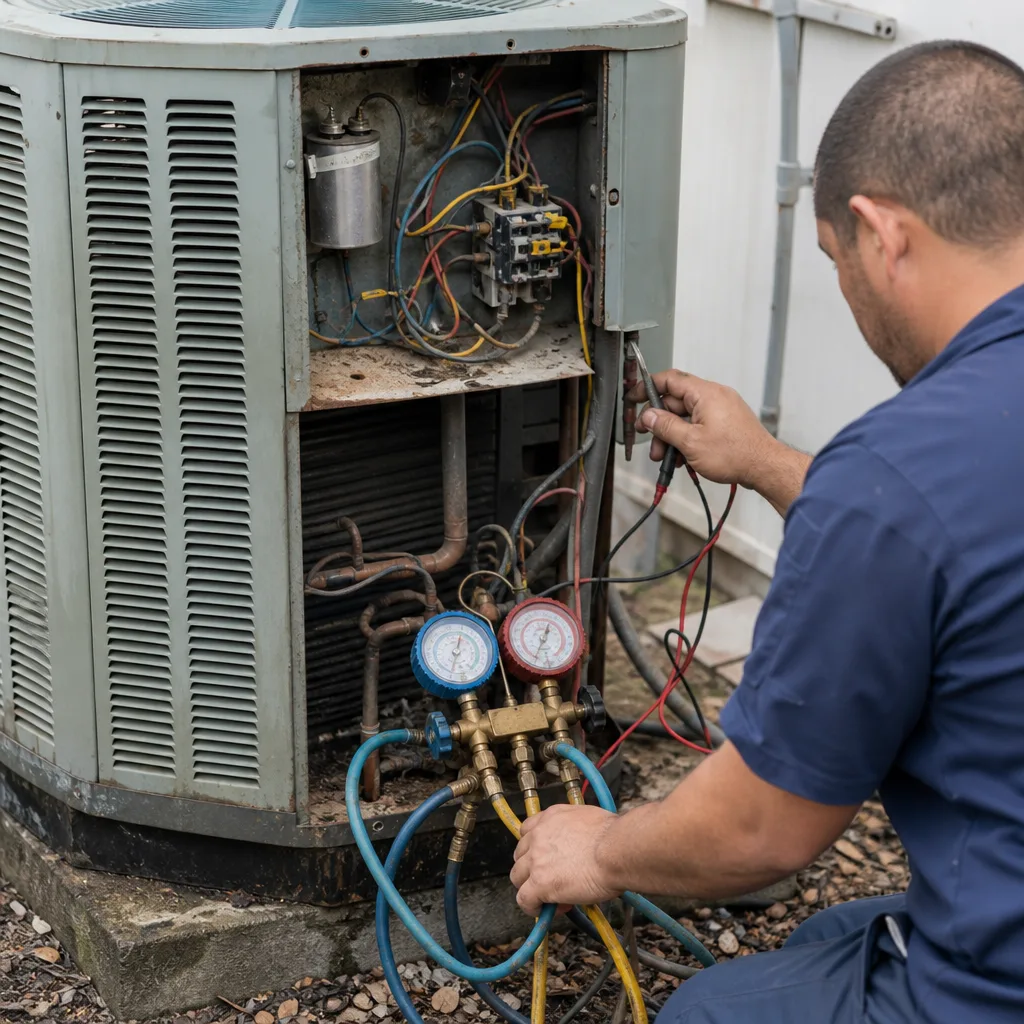 Before
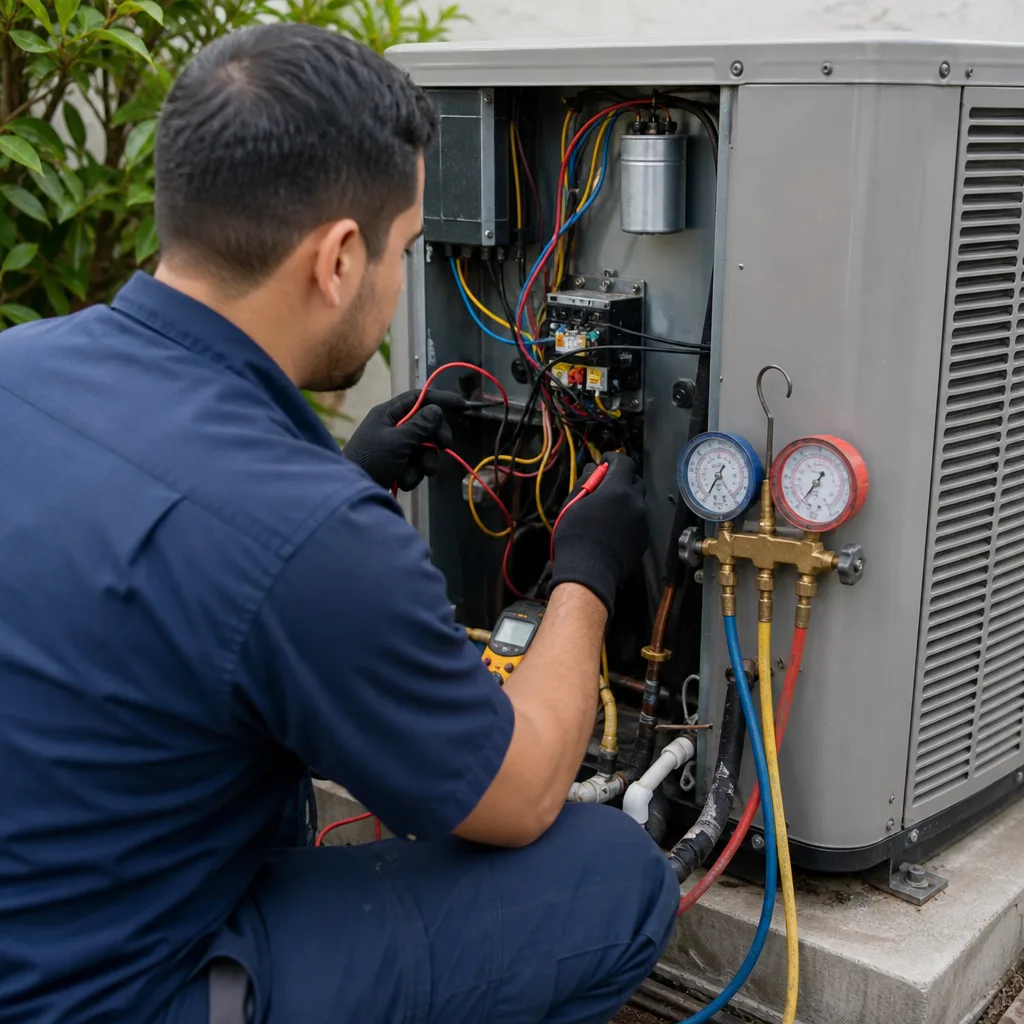 After
After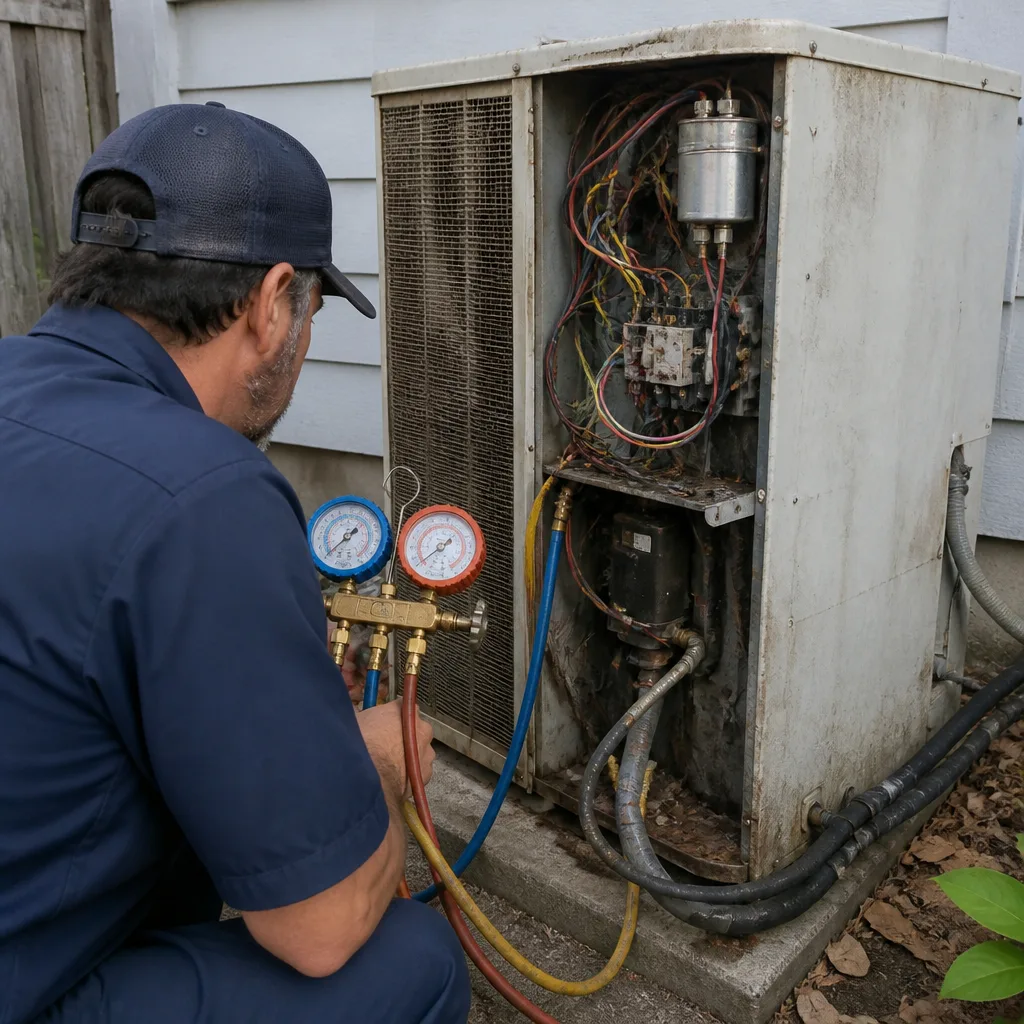 Before
 After
After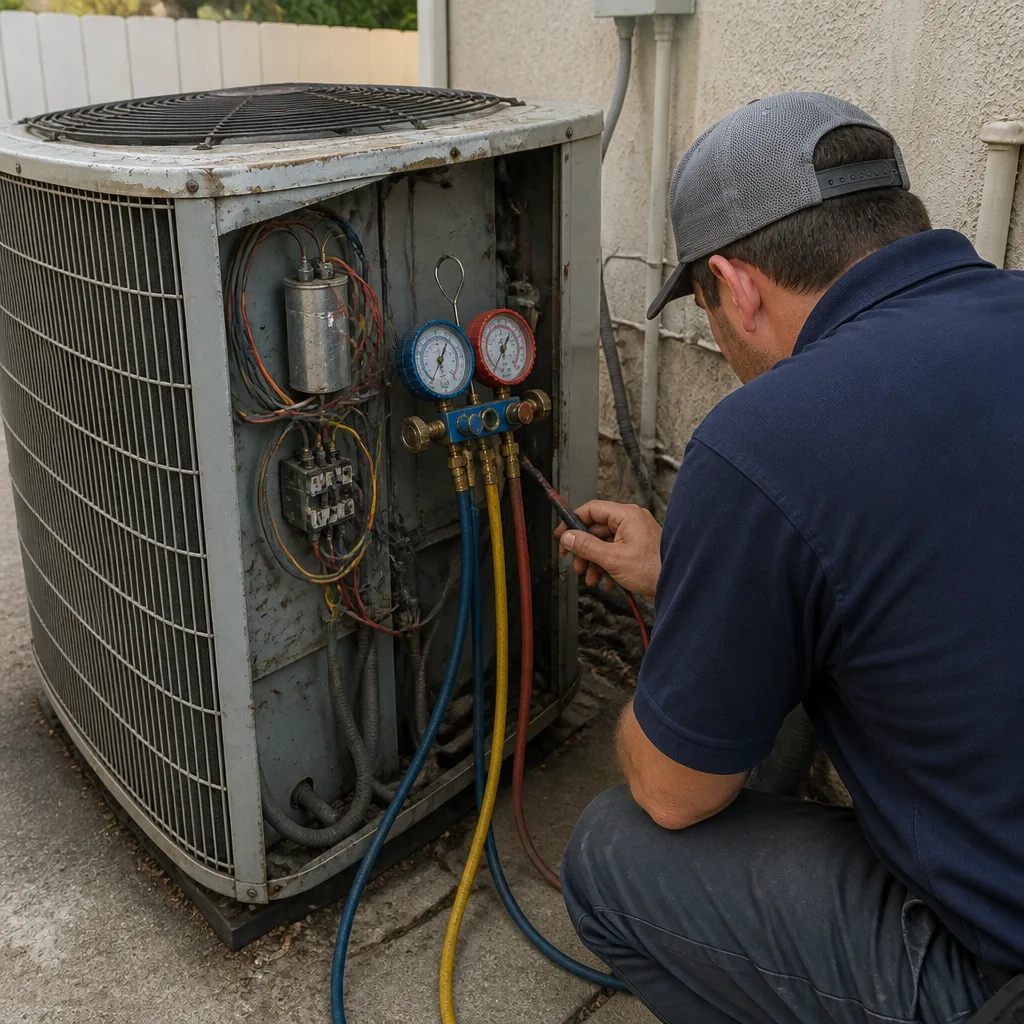 Before
 After
After