
Last updated October 16, 2026
 AC repair
 Furnace & heating
 Heat pumps
 Carrier
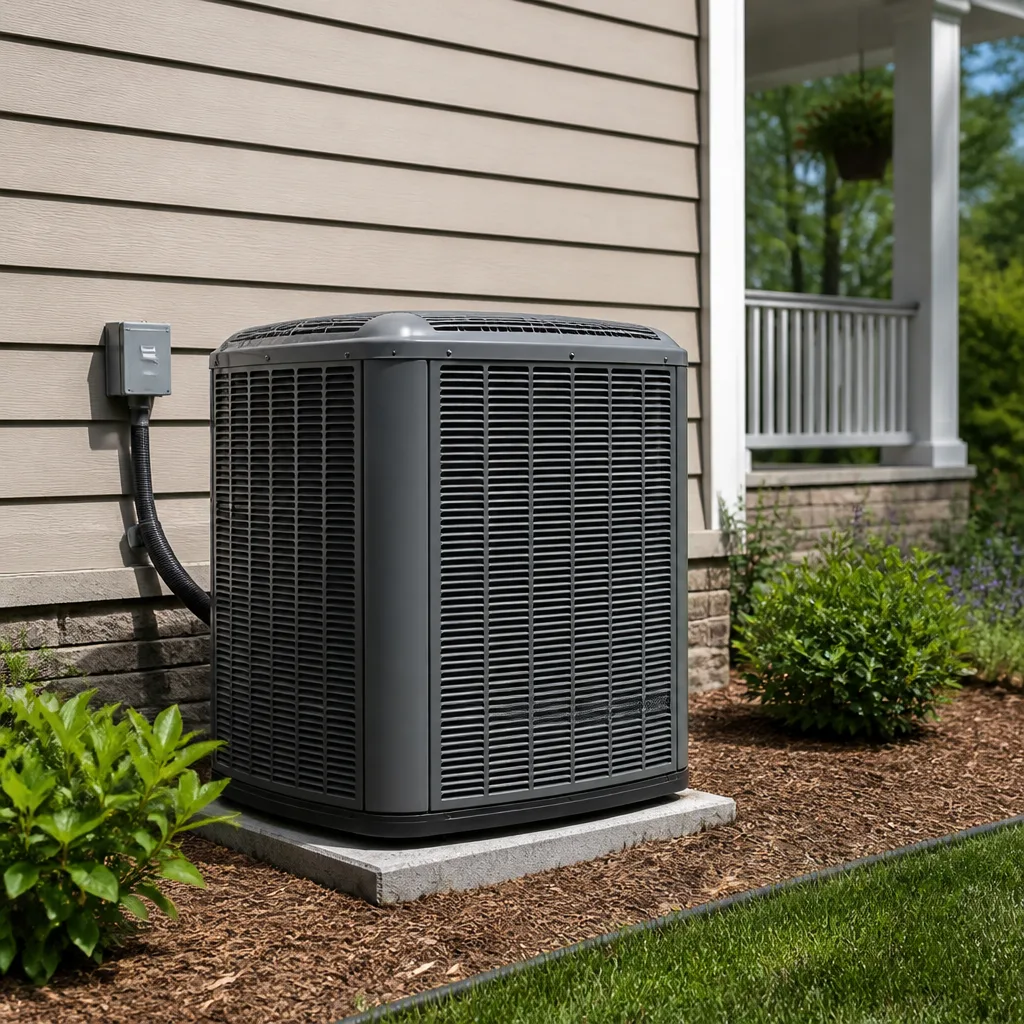 Trane
TraneSeasonal tune-up and full diagnostic on your Carrier, Trane, or Goodman system - readings shown to you before any repair is proposed
Diagnosis first, numbers second - you approve the repair price before a single part goes in.
Get your free estimateHVAC Permits, Codes & Inspections in FL: What You Need to Know
A homeowner in Kendall lost $11,000 in negotiated sale price because a previous owner’s AC replacement had no permit on record. The permit itself would have cost about $150 to pull at the time. That is not an outlier story in Miami. It is the predictable result of a permitting system most homeowners never think about until a title company, insurance adjuster, or building inspector brings it up. This guide explains which HVAC jobs actually require a permit in Florida and Miami-Dade County, what inspectors look for, how to check if your existing system was ever permitted, and what unpermitted work costs you when it matters most. For more guides & resources, see our blog.
Styles & brands we work with
Quick Answer
In Florida, any HVAC work that changes the system’s capacity, moves equipment, alters ductwork, or replaces the outdoor unit or air handler requires a permit. In Miami-Dade County specifically, that threshold is stricter than state code because of hurricane strapping requirements and flood-zone elevation rules. A permit pulled at the time of installation typically costs $100 to $400, but resolving unpermitted work after the fact routinely runs $1,500 to $5,000 or more, and that is before any negotiation loss at resale.
Table of Contents
- Which HVAC Jobs Require a Permit in Florida?
- How Miami-Dade’s Local Amendments Differ from State Code
- What a Mechanical Inspection Actually Looks For
- The Real Cost of Unpermitted HVAC Work
- Step-by-Step: How to Check If Your Existing System Was Permitted
- How the Permit Process Works in Miami-Dade
- Common Mistakes to Avoid
- When to Call a Professional
- Frequently Asked Questions
- The Bottom Line
Which HVAC Jobs Require a Permit in Florida?
Florida Building Code section 105.1 lays out the general rule: any mechanical work that involves installing, removing, modifying, or replacing a system or its components requires a permit unless specifically exempted. For HVAC, that means the big-ticket work: full system replacements, new construction installations, ductwork changes, and moving equipment from one location to another. The code does not distinguish between “big” and “small” replacements. If the condenser outside is being swapped for a new one, the permit is required. If the air handler in the closet or attic is coming out, the permit is required. If both are being replaced at the same time, which is how most system replacements in Miami go, the permit is definitely required.
Here is the breakdown by job type:
- Full system replacement (condenser and air handler): Permit required. This is the most common permitted HVAC job in Florida.
- Condenser-only replacement (outdoor unit): Permit required. Even if the indoor air handler stays, the outdoor unit swap changes the system’s refrigerant configuration and electrical load, and building departments want it documented.
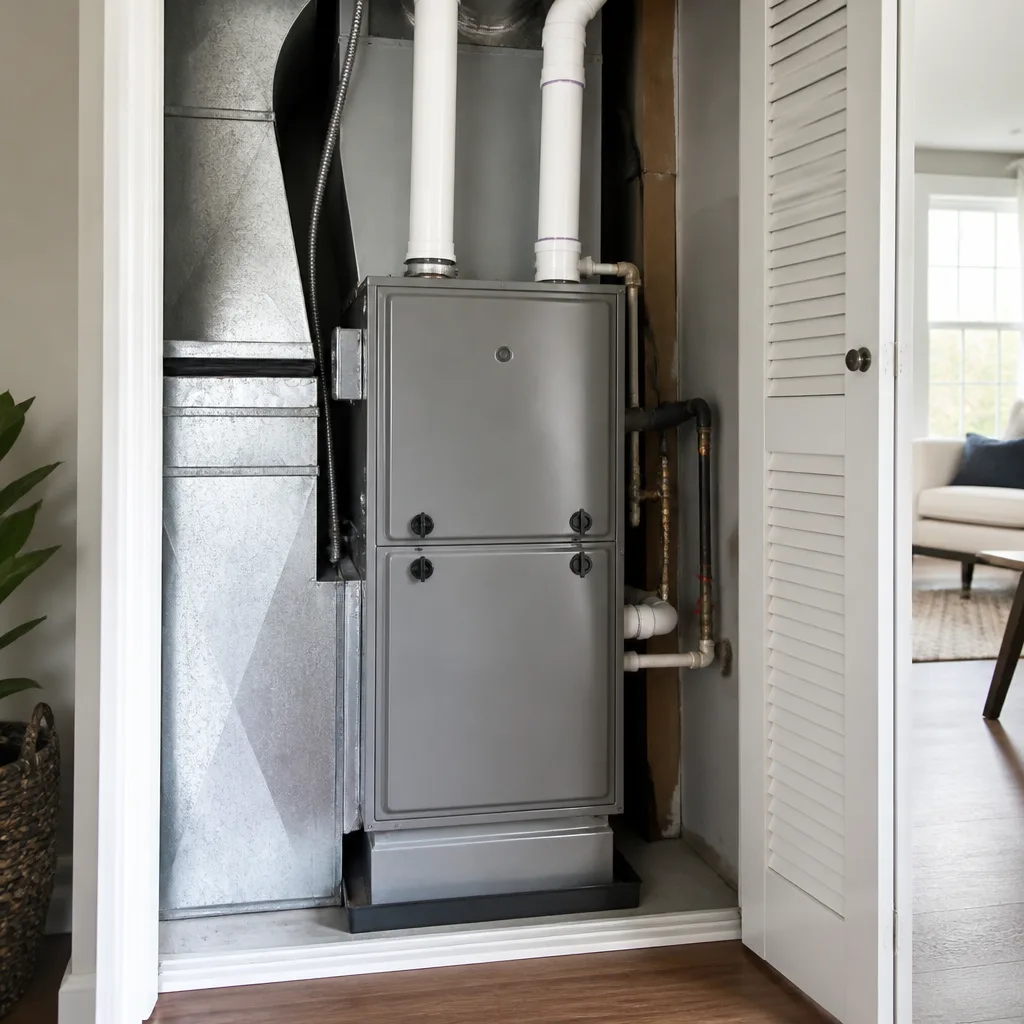
- Air handler-only replacement (indoor unit): Permit required. The air handler carries the blower motor, evaporator coil, and often the auxiliary heating elements. Removing and replacing it is mechanical work under code.
- New refrigerant line set installation: Permit required. Running new copper lines between the indoor and outdoor units is part of a system change and must be inspected before walls or ceilings are closed.
- Ductwork modifications: Permit required. Adding supply runs, reconfiguring a plenum, or replacing more than a small section of duct triggers the permit requirement because duct design affects airflow, static pressure, and building performance.
- Like-for-like capacitor or contactor swap: No permit required. These are component-level electrical repairs on the existing unit. The code treats them as maintenance, not modification. Replacing a capacitor on an existing condenser is like changing a spark plug. No one expects a permit for that.
- Thermostat replacement: No permit required for a straightforward swap at the same location. Running new thermostat wire through walls may fall under low-voltage electrical work, which is generally exempt.
- Condensate drain line cleaning or replacement: No permit required when the work stays within the existing equipment footprint and uses the same drain path.
The line between repair and replacement matters more than most contractors admit. A technician who opens the condenser, finds a failed compressor, and replaces the compressor inside the same unit is performing a repair. A technician who cuts the lines, removes the whole condenser, and sets a new one on the pad is performing a replacement, and that is where the permit obligation begins. In our experience in Miami, we have seen homeowners surprised by this distinction more often than any other single point of confusion on the job site. If you’re unsure whether your system is showing warning signals, read our HVAC Warning Signs: A Miami Homeowner’s Reference Guide. Dalton Heating & Air handles both repairs and full replacements, and we pull permits on every job where code requires one. No exceptions, no shortcuts.
How Miami-Dade’s Local Amendments Differ from State Code
Florida Building Code is the statewide baseline. Miami-Dade County operates under additional local amendments, and for HVAC work, those amendments are not cosmetic. They exist because Miami-Dade sits in a high-velocity hurricane zone, and the county has chosen to exceed state minimums on wind resistance, flood protection, and equipment anchoring. A contractor who works in Broward or Palm Beach and occasionally does a job in Miami may not know these amendments exist. That is a problem for the homeowner, because the inspector will apply Miami-Dade standards regardless of what the contractor is used to.
Here are the major Miami-Dade amendments that affect HVAC work:
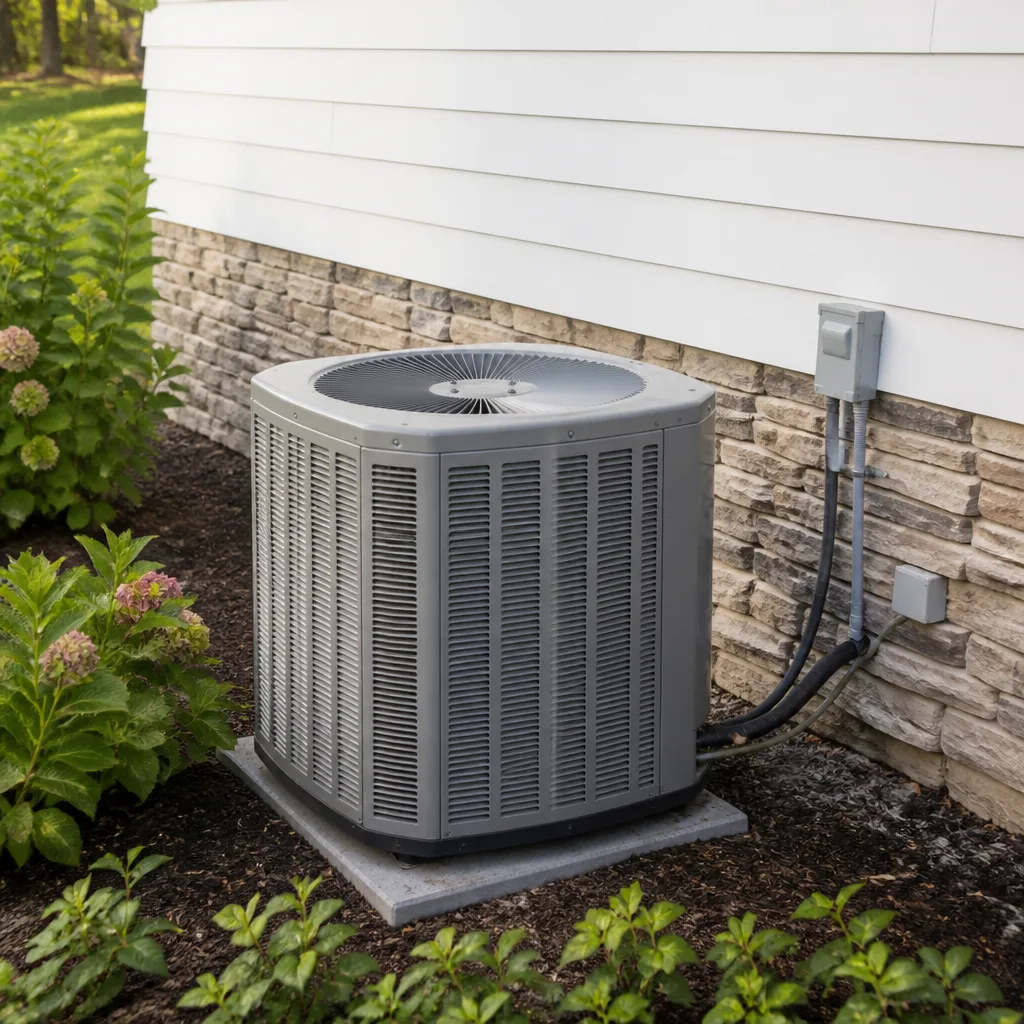
- Hurricane strapping of outdoor condensing units: Miami-Dade requires condensing units to be anchored to the equipment pad with code-rated straps or brackets designed to resist wind uplift. The state code has an anchoring requirement too, but Miami-Dade’s version is stricter about the rated capacity and the specific attachment method. An unstrapped condenser that meets state code in Orlando will fail a Miami-Dade inspection. The strapping kit itself is inexpensive, usually $40 to $80, but it has to be installed on the right anchor points and torqued correctly, and the inspector will check it.
- Equipment pad elevation in flood zones: Miami has designated flood hazard areas, and mechanical equipment in those zones must sit at or above the base flood elevation plus any freeboard the county requires. In practical terms, this often means the outdoor condenser sits on a raised concrete pad or a stand, not directly on the ground. If a house in Kendall or Pinecrest is in an AE flood zone, the inspector will measure the pad height. A replacement condenser set at ground level where the code requires elevation fails inspection, and the fix can mean pad work, reconnecting refrigerant lines, and rescheduling the inspection.
- Electrical disconnect clearances: The county enforces working clearance around the outdoor electrical disconnect. The disconnect box must be within sight of the condenser and have adequate clearance for a technician to open it and service it safely. Burying the disconnect behind landscaping, setting the condenser too close to a wall, or placing equipment where a fence blocks access will fail.
- Condensate disposal restrictions: Miami-Dade has specific rules about where condensate lines may discharge. In many areas, draining into a sanitary sewer connection requires an air gap or an indirect waste connection, and draining directly onto a roof or into a neighboring property is prohibited. These rules are enforced during inspections and they catch people.
- Refrigerant line insulation on suction lines: State code requires insulation on suction lines. Miami-Dade inspectors are known for checking that insulation runs continuously from the air handler to the condenser, including at joints and fittings. A gap of exposed copper at the service valve can be written up. It is a small item, but it is one of the most common correction notices issued on HVAC inspections in Miami.
The difference between state code and Miami-Dade amendments is not academic. It is the difference between passing inspection on the first visit and failing it, paying a reinspection fee, and waiting another week. Contractors who know the county’s amendments and build to them from the start keep the process moving. That is the standard we hold at Dalton Heating & Air Miami, and it is one of the reasons we do not treat Miami-Dade jobs like jobs in other counties.
What a Mechanical Inspection Actually Looks For
A mechanical inspection for HVAC work in Miami-Dade is not a rubber stamp. The inspector arrives with a checklist, and the inspection typically takes 30 to 60 minutes depending on the scope of work. Homeowners are often surprised at how granular the review is. The inspector is not just making sure the AC blows cold. They are verifying that the installation meets code in ways that protect the system, the house, and the people living in it.
Here is what a Miami-Dade mechanical inspector checks on a typical system replacement, in the order they usually walk the job:
- Permit card and job site match: The inspector confirms the permit number on the posted card matches the job address and the work described. The card must be visible from the street or at the main entrance. Missing permit card is an automatic stop.
- Equipment pad and anchoring: The inspector looks at the condenser pad, checks for hurricane strapping, and confirms the pad is level and elevated correctly if the property is in a flood zone. They will physically shake the unit. If it moves, the strapping is wrong.
- Electrical wiring and disconnect: The inspector opens the disconnect, checks wire gauge against the unit’s nameplate amperage, confirms the whip is secured, and verifies the disconnect is within sight of the condenser. Undersized wire, missing bushings, or an overfused disconnect are common failure points.
- Refrigerant line insulation: The suction line, the larger of the two copper lines, must be fully insulated. The inspector will check at the condenser service valves, at the air handler, and along the line set run. Any exposed run will be flagged.
- Condensate drain and secondary pan: For air handler replacements, the inspector checks the primary drain slope, the secondary pan installation, and the overflow safety switch. In Miami’s humidity, the secondary pan and the float switch are not optional accessories. They are code requirements and the inspector will test the switch.
- Duct connection and air handler support: If the air handler is in an attic or closet, the inspector checks that it is supported and level, that the return plenum is sealed, and that duct connections are mastic-sealed or properly taped. Duct tape on ductwork fails. Mastic or foil-backed tape rated for duct systems passes.
- Startup and system operation: The inspector will have the system turned on, verify the condenser and air handler run, and in some cases check temperature drop across the coil. The system does not need to hit a specific performance number unless the job included new ductwork, but it does need to start and run without obvious fault.
Items in the first five categories are where inspections fail. Small things, mostly: a missing strap bolt, a gap in insulation, a float switch wired to the wrong terminal, a pad that settled out of level. The fix is usually minor, but the reinspection fee and the schedule delay are real. That is why Dalton Heating & Air runs through this checklist internally before the county inspector ever arrives. We have serviced Carrier, Trane, Lennox, Goodman, Rheem, York, Daikin, Bryant, and American Standard equipment in Miami, and the inspection standards do not change based on brand. Code is code.
The Real Cost of Unpermitted HVAC Work
The permit fee is not the expensive part of this conversation. In Miami-Dade, an HVAC mechanical permit for a residential system replacement typically runs $100 to $400 depending on job value. That is the entire cost of doing it right at the front end. The cost of unpermitted work shows up later, in layers, and every layer is more expensive than the permit was.
Here is what unpermitted HVAC work actually costs a Miami homeowner:
- Resale disclosure problem: Florida sellers are required to disclose known defects and material facts. An AC system replaced without a permit is a material fact. A buyer’s inspector or the buyer’s mortgage title company can find the unpermitted work through public records or by comparing the system’s age to permit history. When they do, the buyer asks for a price reduction, a credit, or the seller to resolve the permit retroactively before closing. The Kendall homeowner mentioned at the top of this guide took an $11,000 hit. That is not rare. It happens every week in Miami real estate transactions.
- Retroactive permit costs: Miami-Dade will, in some cases, allow an after-the-fact permit for work that was done without one. The process involves opening the permit application, paying the fee plus a penalty, and scheduling an inspection of the existing installation. If the installation is accessible and code-compliant, the inspector passes it and the permit is closed. If the installation has issues, the homeowner now faces correction costs before the permit can close. Typical retroactive permit resolutions run $1,000 to $3,000 when corrections are needed, and that is before any contractor labor.
- Insurance claim denial: A homeowner’s insurance policy typically covers sudden and accidental damage to covered systems. If the damage involves an HVAC system that was replaced without a permit, the insurer may deny the claim on the basis that the work was not legally installed. We have seen this happen with lightning strikes and electrical events. The insurer’s position is straightforward: the system was not code-compliant, so the damage falls outside coverage.
- Code enforcement exposure: A neighbor complaint or a utility inspection can trigger a code enforcement case for unpermitted work. Miami-Dade’s code enforcement process includes fines that accrue daily until the violation is resolved. Most HVAC cases never get to daily fines, but the process itself adds time, paperwork, and legal risk the homeowner did not ask for.
- Safety risk from unknown installation quality: The permit process exists because mechanical work done wrong can hurt people. Refrigerant leaks, improper venting, electrical faults, and unsecured equipment are the reasons codes were written. At Dalton Heating & Air Miami, we follow The Garrison Standard on every job, which means pulling the permit, meeting code, passing inspection, and standing behind the work in writing. Skilled contractors also pull permits. It is not a differentiator; it is a minimum, and a homeowner who treats it as optional is carrying risk they do not need to carry.
Step-by-Step: How to Check If Your Existing System Was Permitted
If you own a home in Miami and you are not sure whether the current AC system was installed with a permit, you can check in about 15 minutes using Miami-Dade County’s online permit search tool. Do not call a contractor first. Do not pay anyone to run this search for you. The county provides this specifically so homeowners can look it up.
- Go to the Miami-Dade County building permit search portal. The address is available by searching “Miami-Dade permit search” in any search engine. The portal is free and does not require an account for basic searches.
- Enter your property address. Use the exact street address including the house number, street name, and zip code. The system matches against the county’s permit database.
- Review the permit list for your address. You will see permits of all types: roofing, electrical, plumbing, mechanical, and others. Look for permits with a mechanical or HVAC description. A full system replacement appears as a mechanical permit with a job value in the thousands. A new air handler alone will also appear as mechanical.
- Check the date against your equipment age. If the permit was issued in 2019 and your condenser’s data plate shows a 2019 manufacture date, that is a match. If the condenser is a 2022 unit and the most recent mechanical permit on file is from 2015, the 2022 replacement was not permitted.
- Check the status. Permits show as issued, in progress, or closed with a final inspection. A permit that shows “issued” but never shows a final inspection means the work started the permit process but never closed it. That is also a problem, though a smaller one than no permit at all.
- If you find no permit for recent HVAC work, document it. Save a screenshot or print the search results. If you bought the home recently, check your closing documents to see whether the seller disclosed anything about HVAC work. If the seller represented the system as new but no permit exists, you may have a disclosure claim. Talk to a real estate attorney about that, not a contractor.
- Call a licensed contractor to evaluate the installation. If the permit history is missing, the next step is to have the existing system inspected by someone who knows Miami-Dade code. An HVAC contractor like Dalton Heating & Air can look at the pad, the strapping, the disconnect, the line set, and the air handler installation, and tell you what would pass or fail if a retroactive permit were pulled. That evaluation gives you a real number for what the fix will cost, instead of a guess.
How the Permit Process Works in Miami-Dade
The permit process for a typical residential AC or heat pump system replacement in Miami-Dade follows a predictable sequence. Homeowners do not need to manage the process themselves when they hire the right contractor, but knowing the steps means you can tell the difference between a contractor moving the job along and one stalling.
For a standard system replacement, the sequence runs like this:
- Contractor prepares the permit application. The application includes equipment specifications, the job value, and the contractor’s license information. In Miami-Dade, the contractor must hold a county certificate of competency or a state license with county reciprocity. Homeowners cannot pull a mechanical permit for HVAC work themselves. The work has to be done by a licensed contractor or, in limited cases, by the homeowner proving they occupy the property and will do the work themselves, which then requires passing inspections without professional representation.
- Permit is submitted and fees paid. Most residential HVAC permits in Miami-Dade are issued over the counter or electronically within a few business days. Fees typically run $100 to $400, and the contractor pays them as part of the job. Dalton Heating & Air includes permit fees in the written price we give before any work starts. Not as a line-item surprise later, in the price, up front.
- Installation is scheduled and completed. The contractor installs the equipment to code, posts the permit card at the job site, and calls for inspection.
- County inspector performs the mechanical inspection. The inspector checks everything outlined above: strapping, pad, disconnect, line insulation, drain, pan, float switch, duct sealing, and system operation. Pass or fail is issued on the spot in most cases.
- If corrections are required, the contractor schedules a reinspection. Reinspections are not free, and the homeowner should confirm before the job starts who is responsible for reinspection fees if the contractor’s own work fails. At Dalton Heating & Air Miami, the job is not done until the final inspection passes and the permit closes. We do not leave a job with an open permit. That guarantee is part of The Garrison Standard, which Dalton has operated under since 2003.
- Final inspection passes and the permit closes. The homeowner receives documentation: the closed permit number, the inspection record, and the equipment warranty registration. Keep these documents with the house records. You will need them at resale.
For heat pump installation in Miami, the process is identical. A heat pump is a mechanical system like a conventional AC, and replacement work triggers the same permit requirement and the same inspection sequence. The equipment changes, the code does not.
Common Mistakes to Avoid
- Hiring the lowest bid without checking permit history: A contractor who quotes $800 less than everyone else is often not pulling the permit. You find out years later. Ask directly: “Does your price include the Miami-Dade permit and inspection fees?” Get the answer in writing.
- Confusing a repair with a replacement: Compressor replacement inside the existing condenser is repair. Swapping the whole condenser is replacement. The second needs a permit. If a technician tells you it does not, ask for that in writing before the work starts.
- Letting a contractor run new ductwork without a permit: Ductwork changes affect airflow and pressure, not just comfort. Once drywall goes back up, an inspector cannot see the work, and the homeowner is left with an unpermitted modification that will surface at resale or during an insurance inspection.
- Buying a house without checking the HVAC permit history: Before you close on a Miami home, run the county permit search described above. If the AC looks brand new and the permit history shows nothing, bring it up before closing, not after. The AC repair cost in Miami after the fact is nothing compared to a title dispute or an insurance denial.
- Assuming the home inspector checks permits: A standard home inspection is visual and non-invasive. The inspector may note that the system appears newer than the house records suggest, but they do not pull permit histories. That is on you, or your agent, or your attorney.
- Paying cash without a paper trail: A cash job with no receipt, no permit application, and no contract is the fastest way to end up with unpermitted work and no way to hold anyone accountable. Even small repairs should have a written invoice. Dalton Heating & Air puts the price in writing before any work starts, on every job, without exception. That is not a feature we offer on some calls. It is the way every call works.
- Ignoring an open permit from a previous owner: If the county records show a permit that was issued but never finalized, resolving it falls to the current homeowner. Leaving it open means the county’s system permanently shows incomplete work at the address, which creates the same resale problem as no permit. Closing an old open permit usually requires an inspection and a fee, and it is best handled before you list the house.
When to Call a Professional
Some situations are not do-it-yourself territory, and HVAC permitting sits near the top of that list. You need a licensed contractor when any of these apply: the job involves refrigerant, which is federally regulated and requires certification to handle; the equipment is being replaced or moved, which triggers the Miami-Dade permit requirement; the work touches electrical disconnects or the panel; or you discovered unpermitted work and need a code evaluation before you can sell. The same applies to furnace repair in Miami, where gas connections and venting add safety risk that no homeowner should manage alone. Dalton Heating & Air Miami offers free estimates in Miami, and Marco Benitez and the team can tell you exactly what your job requires. Call (850) 754-6042 for a written price before any work starts.
Frequently Asked Questions
An HVAC mechanical permit for a residential system replacement in Miami-Dade typically costs between $100 and $400, depending on the job value and the specific permit type. The fee is paid as part of the permit application and should be included in your contractor’s written price. If a contractor gives you a price that seems low, ask whether the permit fee is included. Some contractors quote without it and add it later. Call (850) 754-6042 for a written quote that includes every fee, every time.
Florida law allows a homeowner to act as their own contractor on a property they occupy, but in practice, Miami-Dade rarely approves homeowner-pulled mechanical permits for refrigerant work. The homeowner must demonstrate competency, and HVAC work requires EPA Section 608 certification to handle refrigerant. The practical path for nearly every Miami homeowner is to hire a licensed contractor who pulls the permit as part of the job.
You inherit the problem. The county’s permit records show no permit for the installed system, which means you will face the same disclosure issues when you sell, and you may face insurance claim complications in the meantime. Your options are to resolve the permit retroactively, which requires hiring a contractor to evaluate and correct the installation to code, or to sell with the disclosure and absorb the price reduction.
No. Like-for-like replacement of a capacitor, contactor, or similar electrical component on an existing system is treated as maintenance and repair, not modification. The equipment stays in place, the system’s capacity does not change, and no permit is required under Florida Building Code or Miami-Dade amendments.
For a standard residential system replacement, the permit is typically issued within a few business days of application. The inspection is scheduled after installation, and in most cases the county provides a next-day or two-day inspection window. The entire permit-to-close process runs one to three weeks for a typical replacement, assuming the installation passes on the first inspection.
Dalton Heating & Air services Carrier, Trane, Lennox, Goodman, Rheem, York, Daikin, Bryant, and American Standard. Factory training covers all nine brands, which means the permit process, installation standards, and warranty registration are handled correctly regardless of what equipment is going in. Dalton Heating & Air Miami home details the full service area.
The Bottom Line
Florida requires permits for HVAC replacements, ductwork changes, and line set installs, and Miami-Dade adds hurricane strapping, flood-zone elevation, and electrical clearance rules on top of state code. The permit costs a few hundred dollars when the work is done. The absence of a permit costs thousands later, at resale, at claim time, or when the county code enforcement process begins. Checking your existing permit history takes fifteen minutes on the Miami-Dade portal. If the records are missing, the fix starts with a licensed contractor who knows exactly what the county inspector will look for, and who puts the price in writing before any work starts. That is the standard we hold at Dalton Heating & Air Miami on every job, no exceptions.
Written by Marco Benitez, Owner at Dalton Heating & Air Miami, serving Miami since 2003.
See the difference
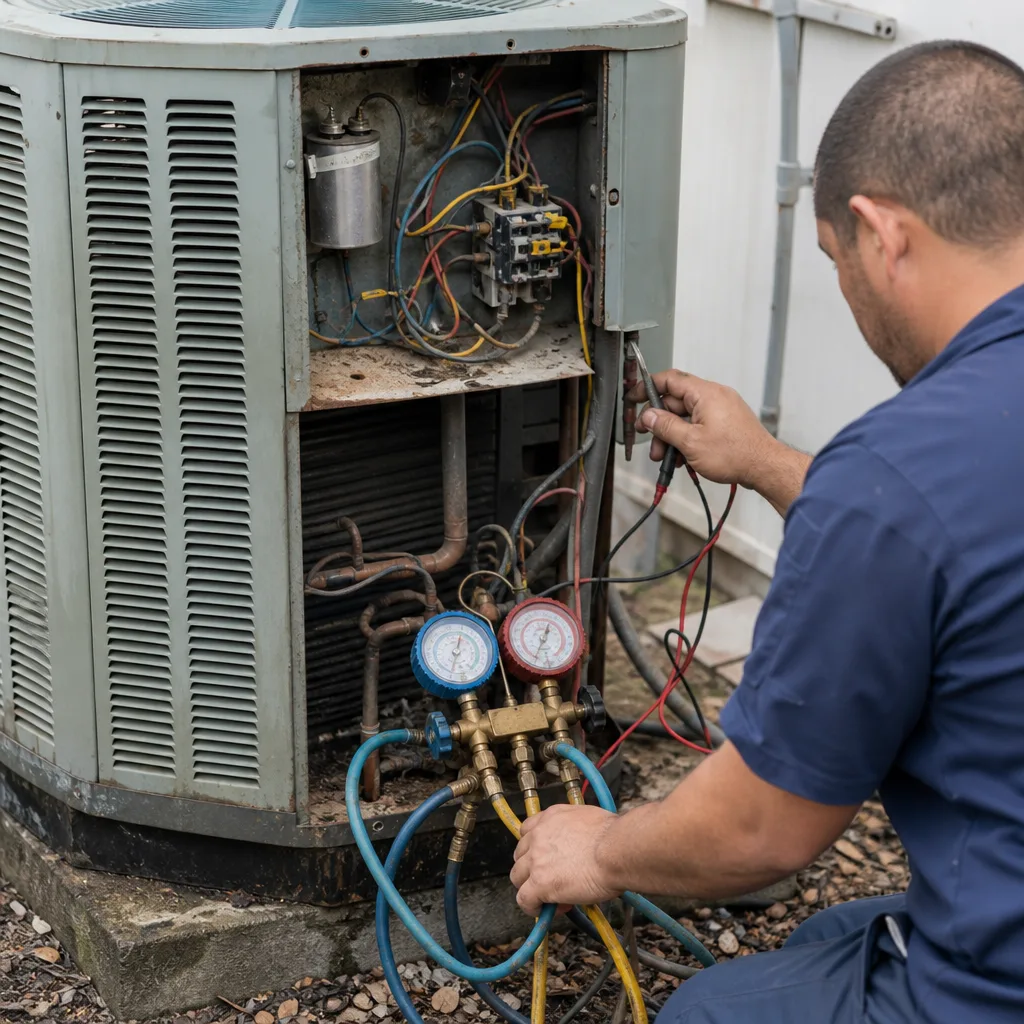 Before
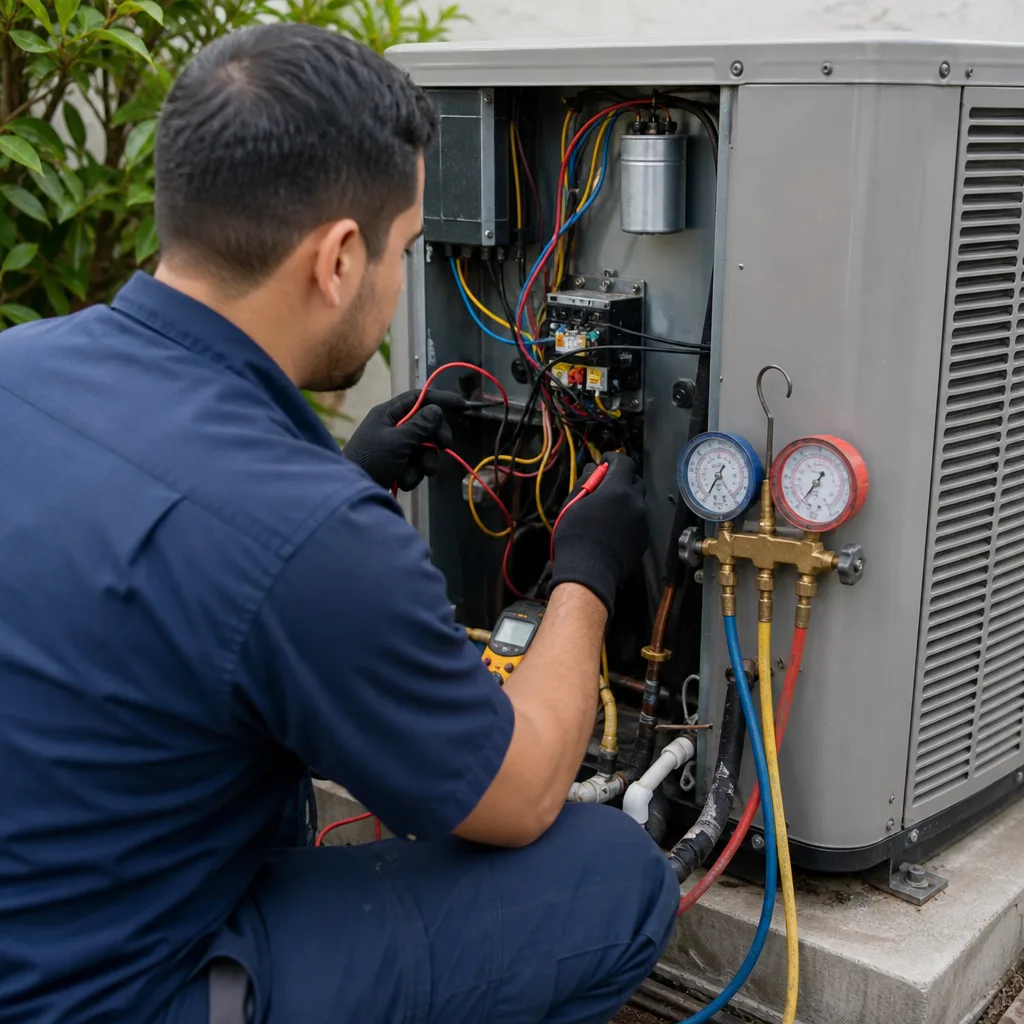 After
After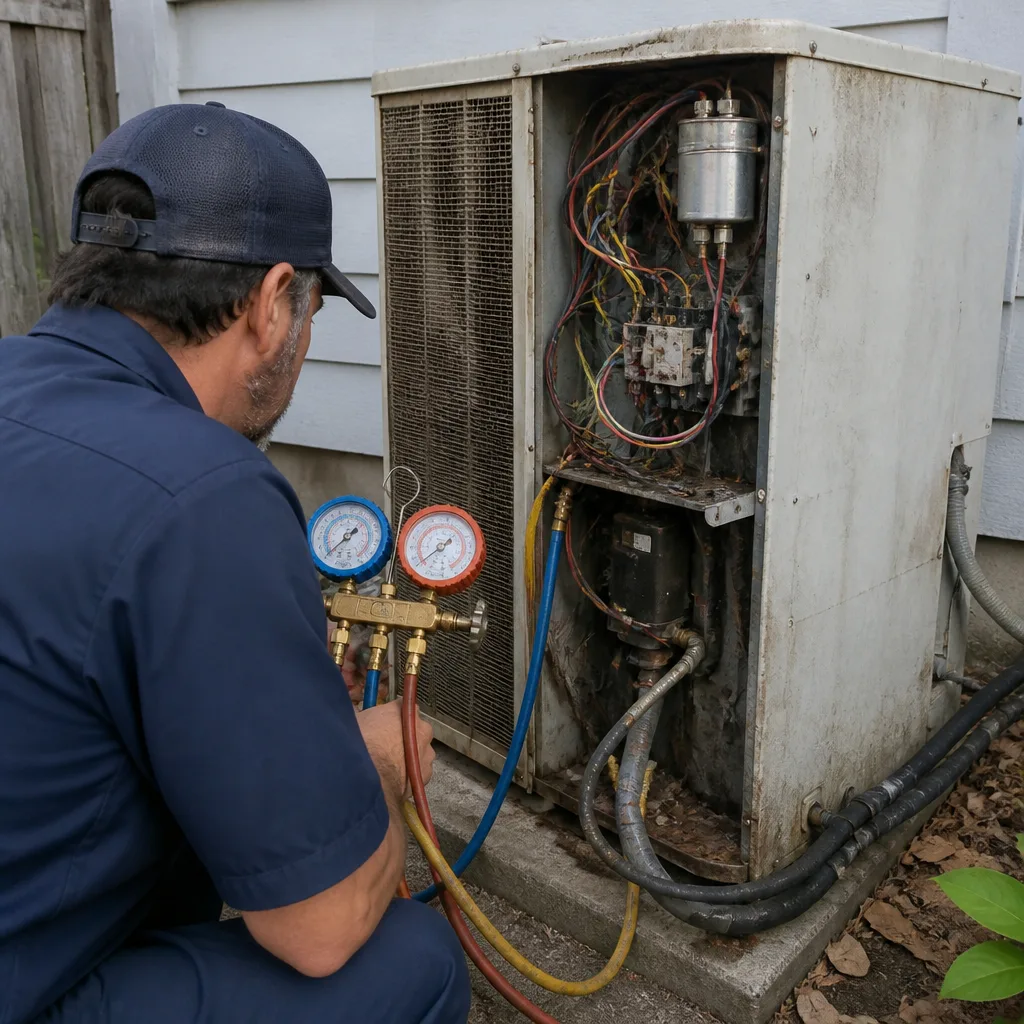 Before
 After
After Before
 After
After