
Last updated October 16, 2026
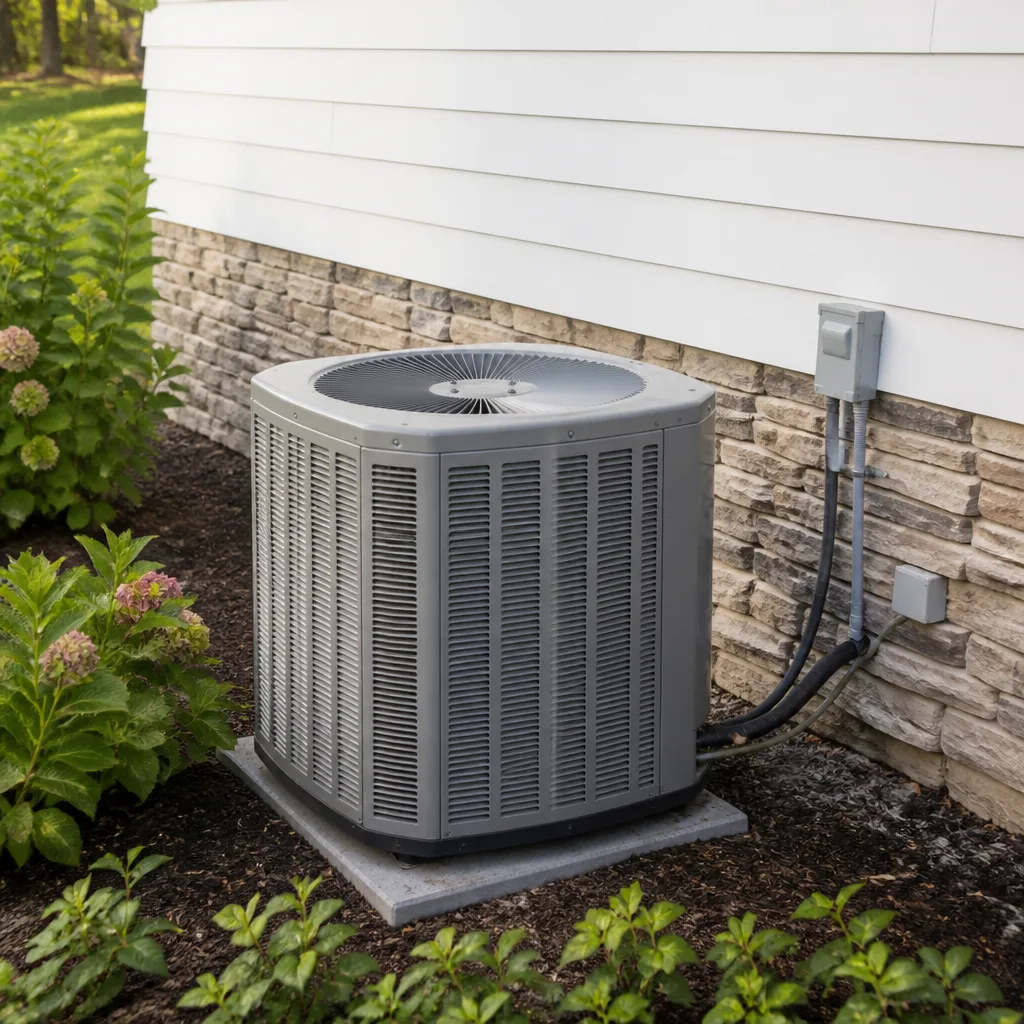 AC repair
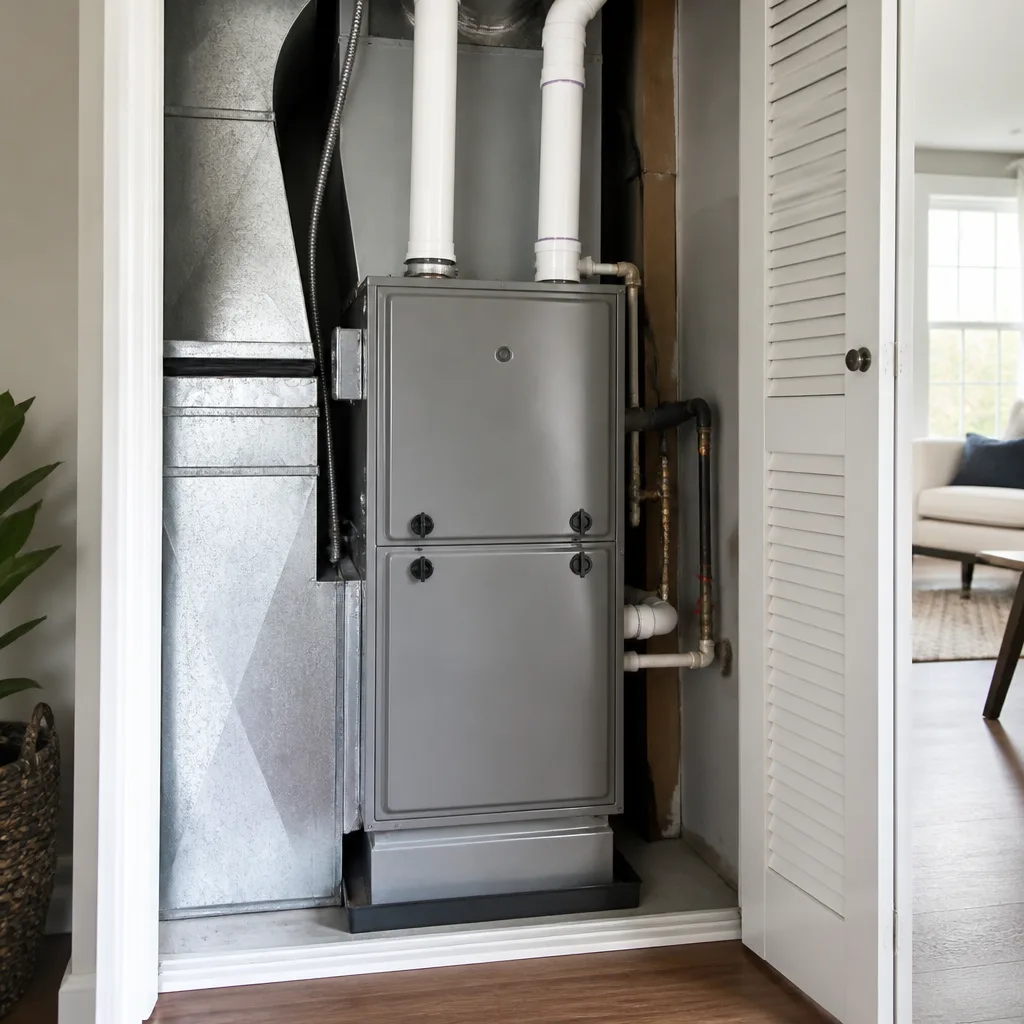 Furnace & heating
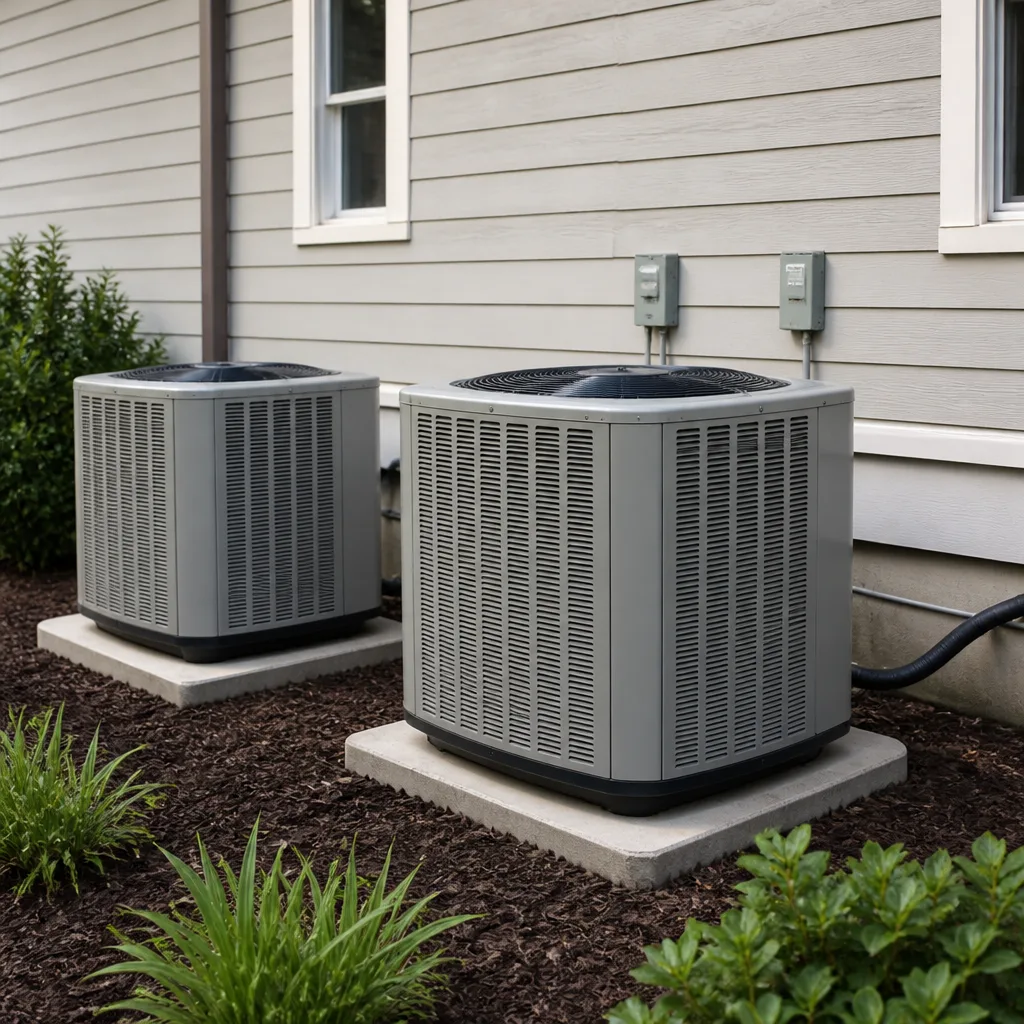 Heat pumps
 Carrier
 Trane
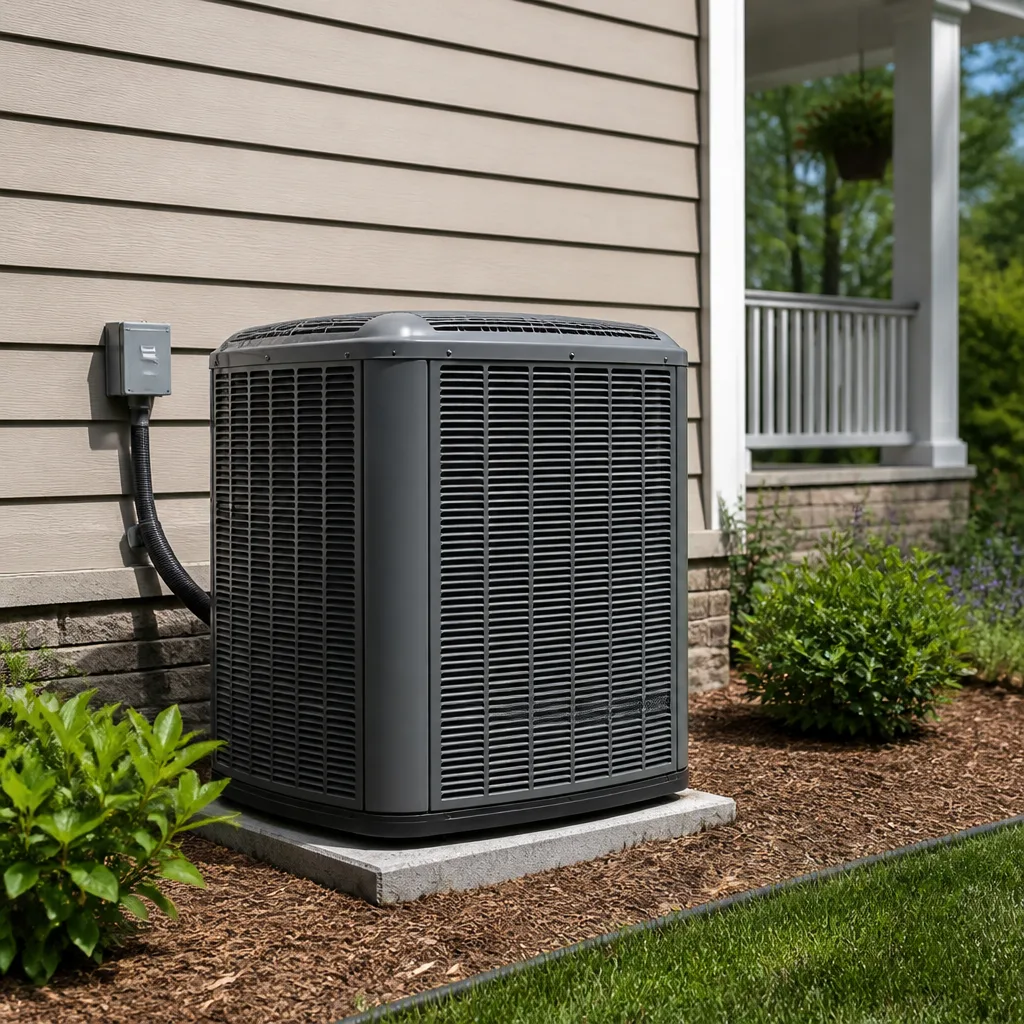
TraneSeasonal tune-up and full diagnostic on your Carrier, Trane, or Goodman system - readings shown to you before any repair is proposed
Diagnosis first, numbers second - you approve the repair price before a single part goes in.
Get your free estimateAC Repair Maintenance Checklist for Miami Homeowners
In Miami, a clogged condensate drain line, a 15-minute fix, is the single most common reason homeowners call for emergency AC service in July. Most tune-up checklists list it last. That ordering is a mistake. Miami’s heat and humidity don’t just make your air conditioner work harder, they attack it in a specific sequence: moisture breeds algae in the drain pan before it corrodes the coil, and salt air from the coast works on the condenser fins before refrigerant levels ever drop. This checklist is sequenced by what actually fails first in South Florida, not by what’s easiest to photograph for a blog. For more guides & resources on keeping your system running, explore our blog. By the time you finish reading, you’ll know which tasks to do monthly, which to do before summer, and which three checks matter more in Miami than anywhere else in the country.
Quick Answer
An AC maintenance checklist for Miami homeowners should prioritize three tasks that temperate-climate guides skip: condensate drain sanitation, coil corrosion inspection, and refrigerant charge verification under real heat load. For tasks that require professional help, our AC Repair services cover all three. Do the drain line monthly during peak season, clean or replace filters every 30 – 45 days, and schedule a professional load-test inspection every March before the humidity arrives. If you see standing water in the emergency drain pan, call a licensed tech the same day.
Styles & brands we work with
Table of Contents
- Month-by-Month Task Calendar for Miami’s Real Seasons
- Condensate Drain and Pan: The 15-Minute Task That Prevents July Emergencies
- Coil Corrosion: What You Can Check vs. What Needs a Licensed Tech
- Refrigerant Charge: When ‘Topping It Off’ Is Illegal and What to Ask Instead
- Filter Ratings for Miami: Finding the MERV Sweet Spot
- Condenser Coil Maintenance: What Salt Air Does to Aluminum Fins
- Electrical Load and Safety: What South Florida Heat Does to Connections
- Common Mistakes to Avoid
- When to Call a Professional
- Frequently Asked Questions
Month-by-Month Task Calendar for Miami’s Real Seasons
Most maintenance guides assume four seasons. Miami has three, and they don’t line up with anything printed in a national magazine. Here’s the calendar we use at Dalton Heating & Air Miami, built around the actual weather patterns homeowners deal with from Homestead to Aventura.
Pre-Summer Load Season: March through April
This is the most important window of the year. The system has been running intermittently through the mild months, and it’s about to be pushed hard for six straight months. What to do now:
- Schedule the annual professional inspection. This should include a full refrigerant check under load, coil inspection, drain line flush, and electrical connection tightening. Book it in March, not May. By May, every reputable HVAC company in Miami is booked out two to three weeks, and the first heat wave doesn’t wait.
- Change the air filter. If you haven’t done it since January, do it now. A clean filter going into summer reduces strain on the blower motor from day one.
- Test the system for 30 minutes during the hottest part of the day. Let it run and watch for two things: does it reach the set temperature, and does it cycle off? A system that runs constantly without satisfying the thermostat in April is a system that will fail in August.
- Check the outdoor unit for debris. Spring in Miami means oak pollen, jacaranda flowers, and enough leaf litter to choke a condenser. Clear two feet around the unit and gently rinse the fins if they’re visibly coated. More on that below.
Peak Season: May through October
During these six months, the system runs 18 to 20 hours a day in many Miami homes. Maintenance shifts from preparation to monitoring.
- Sanitize the condensate drain line monthly. The instructions are in the next section. This is the single highest-value task on this entire checklist.
- Inspect the air filter every 30 days. Homes with pets, construction nearby, or heavy foot traffic may need replacement every 30 days rather than every 45. Hold the filter up to a light. If you can’t see light through it, it’s done.
- Listen for new sounds. A system that suddenly develops a hiss, a rattle, a squeal, or a bang is communicating something specific. Hissing near the indoor unit often means a refrigerant leak. Rattling can mean loose panels or a failing fan motor. Squealing is often a belt or bearing. A bang on startup can be a compressor issue. Don’t wait on any of these.
- Check the condensate pan weekly during August and September. These are Miami’s wettest months for indoor humidity, and drain lines clog fastest then.
Mild Window: November through February
South Florida’s brief mild season is the cheapest time to catch up on deferred maintenance. The system runs less, which means problems surface differently: you’ll notice cold spots, odd smells, or longer startup times because the unit isn’t masking them with constant operation.
- Run the system for at least 15 minutes every two weeks even when it’s cool. Long idle periods let oil settle in the compressor and give algae a chance to dry into a crust inside the drain line. A brief run keeps everything moving.
- Inspect the outdoor unit for salt corrosion. If you live east of US-1 or within three miles of Biscayne Bay, salt air corrodes condenser fins faster than inland homes experience. Look for white, chalky deposits or fins that crumble when touched. November is the right time for a professional fin inspection and coil cleaning.
- Check the thermostat batteries. This is the least glamorous task on any checklist and the most common cause of a completely dead system in December. If the display looks dim or the unit doesn’t respond, change the batteries before calling anyone.
- Validate the heat function if you have a heat pump. Many Miami homes use heat pump installation in Miami for both cooling and the occasional cold snap. Run the heat mode for 20 minutes on a cool December evening and confirm it’s producing warm air. If it isn’t, that’s a reversing valve or defrost control issue, not a reason to panic, but it’s worth a call before you actually need heat.
Condensate Drain and Pan: The 15-Minute Task That Prevents July Emergencies
Your air conditioner removes gallons of moisture from Miami’s humid air every single day. That water collects in a drain pan under the indoor coil, then flows through a narrow PVC pipe to the outside of your house or into a plumbing drain. The problem: that water is warm, dark, and full of organic dust from your indoor air. It’s a perfect environment for algae, mold, and bacterial sludge. And when that sludge blocks the pipe, the water backs up, overflows the pan, and soaks your ceiling, your drywall, your floor, or all three.
In our experience, this is the number one cause of water damage calls we run in Miami between June and September. Not hurricanes. Not failed compressors. A 3/4-inch PVC line full of goo.
How to Sanitize Your Drain Line (Safe DIY Method)
- Locate the drain line. It’s the PVC pipe leaving your indoor air handler, usually running to a floor drain or outside. If you have a vertical pipe with an open top near the air handler, that’s the cleanout access. If you don’t see one, you can pour through the condensate pan itself.
- Mix a safe cleaning solution. Use one cup of warm water with one of the following: a half-cup of white vinegar, or a quarter-cup of household bleach (5 – 6% sodium hypochlorite). Never pour undiluted bleach into the line. It corrodes PVC over time and produces fumes that can damage the evaporator coil if the air handler is running.
- Pour slowly into the access point. Let it settle for 15 to 30 minutes before running the system. The goal is to kill the organic growth and soften the sludge so normal condensate flow can push it through.
- Follow with clean water. A cup or two of plain water after the cleaning solution helps flush loosened material.
- Repeat monthly during peak season. Once a month from May through October keeps the line clear. In mild months, skip it.
The Standing Water Red Flag
If you open the access panel on your air handler and see standing water in the pan beneath the coil, that’s not a maintenance item. That’s an active failure. The drain line is already blocked, and the water is finding the second path: into your home. Shut the system off at the thermostat and the breaker, then call a licensed tech. In Miami, water left in that pan for even 24 hours can generate enough mold growth to become an indoor air quality problem, not just a water damage problem.
If the drain line clogs repeatedly despite monthly sanitation, the issue may be deeper: an improperly sloped line, a missing P-trap, or a collapsed section of pipe. A technician can clear the line with compressed nitrogen and inspect the entire run. No amount of monthly vinegar will fix a pipe that was installed wrong. Full AC repair in Miami for drain line issues is usually a same-day fix when caught early.
Coil Corrosion: What You Can Check vs. What Needs a Licensed Tech
Miami’s salt air is the most corrosive environment for HVAC equipment in the lower 48. Combine salt, humidity, and the constant heat load, and you get evaporator coils that pit, corrode, and leak years earlier than identical equipment would fail in Orlando or Tampa. A coil that would last 15 years in a dry climate often fails in 8 to 10 years within a few miles of Biscayne Bay.
There’s a distinction you need to know: what a homeowner can legitimately inspect versus what requires a licensed technician with the right tools. Our DIY vs Professional HVAC: The Miami Homeowner’s Decision Guide breaks this down in detail.
What You Can Check Yourself
- Visual corrosion on the indoor coil. If you can safely access the coil through the air handler panel, look for green, white, or grey buildup on the copper or aluminum surfaces. A light dusting of corrosion is normal for a coastal Miami unit. Flaking, pitting, or visible green crust is not.
- Rust on the coil’s surrounding cabinet. If the metal housing is rusting, moisture is where it shouldn’t be. That means drain issues or excessive condensation.
- A metallic or sour smell from the vents. That can indicate a coil that’s deteriorating or a drain pan full of stagnant water. Don’t ignore it.
What Needs a Licensed Tech
- Fin straightening and combing. The thin aluminum fins on both coils are easily bent. Bent fins reduce airflow and efficiency. Straightening them requires a fin comb, and getting it wrong damages the coil further. A tech does this in minutes as part of a comprehensive inspection.
- Chemical coil cleaning. Coil cleaners are acidic and corrosive. If mixed wrong or applied to a warm coil, they can etch the metal and shorten coil life. Professionals use pH-neutral or mild alkaline cleaners matched to the coil type and rinse thoroughly. This is not a garden hose and dish soap job, despite what some DIY videos suggest.
- Leak detection on a corroded coil. If the coil is pitting, it may be leaking refrigerant slowly. A tech uses an electronic leak detector or UV dye to find the exact location. If a coil is leaking, the honest answer in a coastal Miami home is often AC repair in Miami with a coil replacement rather than a patch, because one pit usually means more are forming.
The coil is the heart of the heat exchange process. When it corrodes in Miami’s salt air, the system loses efficiency, then loses refrigerant, then loses the compressor. Catching a corroded coil in year one is a repair. Catching it in year three is a replacement.
Refrigerant Charge: When ‘Topping It Off’ Is Illegal and What to Ask Instead
Refrigerant doesn’t get used up. It circulates in a sealed system. If your system is low on refrigerant, it has a leak. Period. There is no other explanation.
This is a point of confusion for a lot of Miami homeowners, because some technicians will offer to “top off” the refrigerant and move on. A refrigerant recharge is topping off the cooling fluid your system needs to reach set temperature. And under Environmental Protection Agency regulations, adding refrigerant to a system with a known leak of 50 pounds or more without repairing it is a violation. For residential systems, which hold 5 to 15 pounds, any leak that’s dropping the charge noticeably within a season needs to be found and fixed. Adding refrigerant to a system with a significant leak without addressing it is against EPA rules, full stop.
Here’s what to say if a technician suggests “just topping it off” without talking about finding the leak:
“Before you add anything, can you tell me where the leak is and what it’ll cost to fix it?”
A qualified technician should either find the leak on that visit or explain the diagnostic process: electronic leak detection, UV dye injection, or isolation testing of the coils and line set. If they can’t or won’t, find a different technician.
Why Refrigerant Charge Matters More in Miami
An undercharged system in a mild climate may still cool adequately. In Miami’s July heat, with outdoor temperatures routinely in the 90s and humidity above 80%, an undercharged system cannot remove enough heat or moisture. The evaporator coil runs too cold, freezes up, and then defrosts all over your drain pan, which then overwhelms the drain line, which then floods your closet. See how this all connects?
Refrigerant charge verification under real load conditions means testing the system on a hot afternoon, not a mild morning. When we do a pre-summer inspection in Miami, we run the system and take superheat and subcooling readings while the outdoor temperature is at least 80 degrees. That’s the only way to know the charge is correct for the actual conditions the unit will face. A charge that looks fine at 75 degrees may be dangerously low at 95 degrees. Systems from brands like Carrier, Trane, Lennox, and American Standard all have specific charging charts that need to be followed. Generic rules of thumb don’t work.
Filter Ratings for Miami: Finding the MERV Sweet Spot
MERV stands for Minimum Efficiency Reporting Value. It measures how effectively a filter captures particles. The scale runs from 1 to 16 for residential use, and the number sounds like it should be “higher is better.” It’s not that simple, especially for homes in Miami.
Miami’s air carries a specific mix of contaminants: heavy pollen from oak and palm trees in spring, mold spores that thrive year-round in the humidity, and fine dust from construction that never seems to stop. A high-MERV filter sounds like the right answer. But filters that are too restrictive starve the system of airflow, which causes the evaporator coil to freeze, reduces efficiency, and shortens blower motor life. Older air handlers are especially vulnerable. The blower in a 12-year-old air handler may not move enough air through a MERV 13 filter. The result is a system that runs constantly, cools poorly, and consumes more electricity than it should.
Here’s the filter guidance we give Miami homeowners, based on what actually works with the equipment in this market:
| MERV Rating | What It Captures | Best For | Notes |
|---|---|---|---|
| MERV 5 – 8 | Dust, pollen, lint | Older systems with single-speed blowers | Low airflow resistance. Change every 30 – 45 days in Miami. |
| MERV 9 – 11 | Fine dust, mold spores, pet dander | Most modern systems with variable-speed blowers | A good balance for Miami’s pollen and mold load. |
| MERV 12 – 13 | Bacteria, smoke particles, fine allergens | Newer variable-speed systems with ECM motors | Confirm your blower can handle it before installing. |
| MERV 14 – 16 | Virus aerosols, very fine particles | Homes with medical needs and a properly rated system | Almost always too restrictive for standard residential air handlers. |
The most common mistake we see in Miami is a homeowner buying a MERV 13 filter because the package says “hospital grade” and then wondering why the AC won’t cool below 78 in August. The filter is choking the system. For most Miami homes with equipment under ten years old, a MERV 8 to MERV 11 filter changed every 30 to 45 days is the right balance of air quality and system health. If you have specific allergy or respiratory concerns, have a technician verify your static pressure before going above MERV 11. That means measuring the airflow resistance, which determines whether your blower can actually pull air through the denser media without working itself to death.
Condenser Coil Maintenance: What Salt Air Does to Aluminum Fins
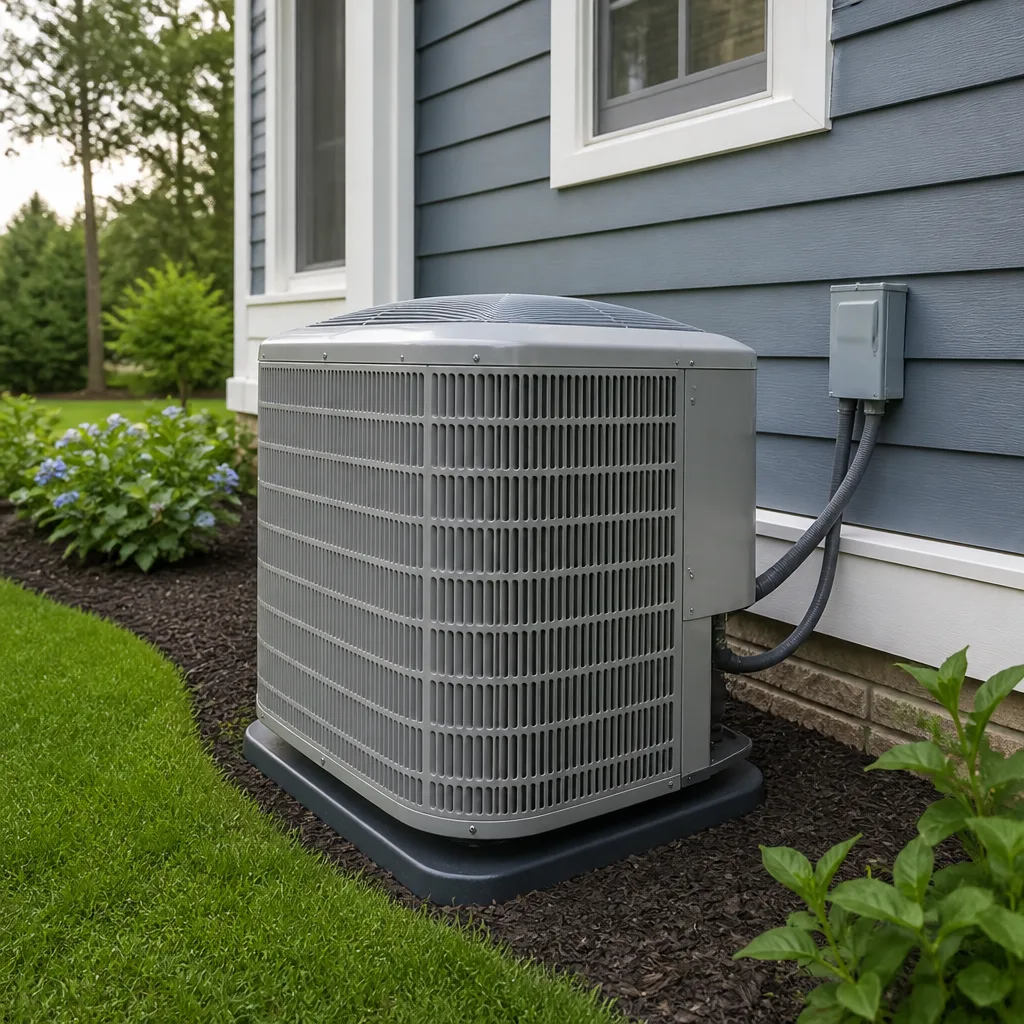
The condenser is the outdoor unit. In Miami, it lives in the worst possible environment: salt-laden air, direct sun, torrential rain, and whatever the lawn crew throws at it. The coil inside the condenser is made of thin aluminum fins wrapped around copper or aluminum tubing. Those fins are responsible for releasing heat from the refrigerant to the outside air. When they corrode, clog, or bend, the system loses its ability to shed heat, which means the compressor runs hotter, pressures rise, and efficiency drops.
Here’s what a homeowner can legitimately do, and what crosses into licensed territory.
Homeowner-Level Condenser Care
- Clear the area around the unit. Trim back vegetation so there’s at least two feet of clearance on all sides. The condenser needs to pull air through the coil. Bushes, fences, and stored items that block airflow will make the system work harder all summer.
- Rinse the fins gently with a garden hose. Turn the unit off at the disconnect and the breaker first. Then rinse the coil from the inside out if you can access it, or from the top down if you can’t. Use a gentle spray, not a pressure washer. Pressure washers flatten the aluminum fins and cause more damage than they clean.
- Check for salt crust. In homes east of US-1, white or chalky deposits on the coil are a sign of salt corrosion. A light rinse may remove some of it. If the fins are crumbling or the crust is thick, stop and call a pro.
When to Call a Technician
- Visible fin damage. If more than a small section of fins is bent, flattened, or missing, the coil needs professional fin combing or replacement.
- Salt corrosion you can’t rinse off. Once salt has embedded in the aluminum, it creates galvanic corrosion that eats the metal. A tech can apply the right coil cleaner and evaluate whether the coil needs replacement. Coastal Miami homes sometimes need condenser replacement in year 8 or 10 even when the compressor still works, because the coil is gone.
- Oil streaks on the coil. Oil residue means a refrigerant leak at the coil. The compressor oil travels with the refrigerant. If you see dark, greasy streaks on the fins, that’s not dirt. Shut it down and call someone.
Condenser maintenance in Miami is not optional. It’s the difference between a system that sheds heat efficiently and one that burns through compressors. We replace more compressors in coastal Miami homes due to salt-damaged condensers than for any other single reason. And a compressor replacement is the most expensive repair a residential system can have, short of full replacement.
Electrical Load and Safety: What South Florida Heat Does to Connections
Every summer, Miami’s electrical grid takes a beating. Your air conditioner draws more current during peak heat than any other appliance in the house, and that constant high-amperage load has a specific effect on electrical connections: thermal expansion and contraction. Every time the system cycles on, the connections heat up and expand. Every time it cycles off, they cool and contract. Over hundreds of cycles, that movement loosens connections. Loose connections create resistance. Resistance creates heat. Heat destroys components and, in worst cases, starts fires.
This is a genuine safety concern, not just an efficiency issue. Here’s what to watch for and what to leave to a licensed professional.
What a Homeowner Can Check
- Signs of overheating at the disconnect box. The small grey box mounted on the wall near your condenser sometimes shows discoloration, a melted smell, or a warm surface when the system is running. If you see any of those, shut the system off at the main breaker and call someone. Do not open the disconnect yourself.
- Tripped breakers. A breaker that trips once during a severe thunderstorm is doing its job. A breaker that trips repeatedly when the AC runs is signaling a real electrical problem: a failing capacitor, a weak compressor, or a genuine short. Don’t keep resetting it.
- A buzzing sound from the condenser that lasts more than a few seconds. A brief buzz at startup is normal. A sustained buzz or chattering often means a failing contactor or capacitor. Both are common repairs, and both are cheaper when caught early.
What Belongs to a Licensed Professional
Electrical work on HVAC equipment in Miami should always be handled by a licensed technician. Capacitors hold enough charge to injure you even with the power off. Contactors, wiring, and breaker connections require proper torque and testing. The most common electrical failures we see in Miami are capacitors that fail during the first heat wave, contactors that burn out after years of arcing, and loose connections at the condenser that overheat under sustained load. All three are quick fixes for a trained tech and dangerous for a homeowner.
If your AC is tripping breakers, making electrical sounds, or showing signs of heat damage, that’s a call you make today, not next week. The Dalton Heating & Air Miami home covers the full range of electrical diagnostics for residential systems, and we treat electrical symptoms as urgent. Every time.
Common Mistakes to Avoid
- Using a pressure washer on the condenser coil. The fins on your outdoor unit are thin enough to bend with finger pressure. A pressure washer flattens them instantly, which reduces airflow and can turn a dirty coil into a damaged coil in under a minute. A garden hose with a gentle spray is all you need.
- Buying the highest-MERV filter on the shelf. Filter ratings exist on a spectrum, and higher isn’t always better. A MERV 13 in a system with a single-speed blower can restrict airflow enough to freeze the coil. Match the filter to the equipment, not the marketing.
- Ignoring a wet spot on the ceiling near the air handler. In Miami, a ceiling stain near an upstairs air handler is almost always a condensate overflow. By the time you see the stain, the drain line has been blocked for days. Shut the system down and deal with it immediately.
- Forgetting that refrigerant doesn’t evaporate. If a tech wants to add refrigerant without discussing where the leak is, you are about to pay for a temporary fix. Refrigerant leaves a sealed system through a hole. Find the hole.
- Waiting until May to schedule the annual inspection. Every HVAC company in Miami books out weeks in advance once temperatures climb in April. Book in March, even if the system feels fine. The inspection is what keeps it feeling fine through October.
- Running the system with doors and windows open. Miami humidity doesn’t take a break. An open window adds moisture load that the system has to remove, which means longer run times, more condensate, and more strain on the drain system. Keep the envelope closed when the AC is on.
- Assuming a new system needs no maintenance. A two-year-old system in a coastal Miami home is already developing the same corrosion patterns as a ten-year-old system inland. Salt air and humidity don’t care how new the equipment is. The maintenance schedule stays the same.
When to Call a Professional
Some tasks on this checklist are designed for homeowner hands: changing filters, sanitizing the drain line, rinsing the condenser, watching the pan. But there are specific signs that mean the problem has moved beyond maintenance and into repair. Water standing in the drain pan. A breaker that trips more than once. Oil streaks on the condenser coil. A system that runs constantly without reaching set temperature. A hissing sound near the indoor unit. Ice forming on the coil or the refrigerant line. Any of these are reasons to call a licensed technician promptly. Dalton Heating & Air Miami offers free estimates in Miami, call (850) 754-6042 for a written quote and a tech who shows up inside the stated window.
Frequently Asked Questions
Every 30 to 45 days during peak season, which runs May through October in Miami. Homes with pets, carpet, or nearby construction should lean toward 30 days. During the mild months, every 60 days is usually fine. The test is simple: hold the filter up to a light, and if you can’t see light through it, it’s time to replace it.
Professional maintenance visits in the Miami market typically range from $89 to $180 for a standard inspection and cleaning, with more comprehensive service plans running $150 to $300 per year depending on the number of visits. The price varies by company, system type, and what’s included. Dalton Heating & Air Miami always provides a written price before any work begins, so you’ll know the full cost upfront – call (850) 754-6042 for a quote.
You can sanitize a clear condensate drain line yourself using diluted bleach or vinegar monthly, and that’s the best prevention for Miami’s algae growth. If the line is already clogged, if water is standing in the pan, or if monthly cleaning doesn’t prevent repeated clogs, then it’s time for a professional to clear the line with compressed nitrogen and inspect the entire run. A persistent clog usually means an installation problem, and no amount of vinegar fixes a bad slope.
A system that runs without reaching set temperature in Miami’s summer heat is almost always one of three problems: low refrigerant from a leak, a corroded or clogged coil that can’t transfer heat, or an undersized system that was never right for the square footage. All three are diagnosable in one visit. If your system used to cool the house and no longer does, the most likely answer in coastal Miami is a refrigerant leak or a failing coil.
No. A dry emergency pan is a healthy sign. Water in the emergency pan means the primary drain line has failed and the pan is doing its job as a backup. If you see water there, shut the system off and call a technician the same day. In Miami’s humidity, standing water in that pan grows mold within 24 hours and will overflow into your home shortly after.
No, unless you’re protecting it from falling debris during a storm. Covers trap moisture against the metal, which accelerates corrosion in Miami’s salt air and gives rodents a protected place to nest. Modern condensers are built to handle Tampa’s rain, Jacksonville’s heat, and Miami’s everything else. Leave the unit uncovered, keep two feet of clearance around it, and rinse it off with a garden hose when it looks dirty.
The Bottom Line
The Complete Guide to HVAC in Miami explains why Miami’s climate punishes air conditioning systems harder than almost anywhere else in the country. The salt air corrodes. The humidity feeds algae. The heat cycle never really ends. The homeowners who get 12 to 15 years out of a system in Miami are the ones who do monthly drain sanitation, change filters on schedule, inspect the coils before summer, and address small problems before they become compressor failures. The homeowners who wait for the system to tell them something’s wrong end up paying for emergency repair calls, water damage, and early replacement. The checklist above is in the right order for this city. Follow it, and your system will outlast most of your neighbors’. Call (850) 754-6042 for a professional inspection and a written price before any work begins.
Written by Marco Benitez, Owner at Dalton Heating & Air Miami, serving Miami since 2003.
See the difference
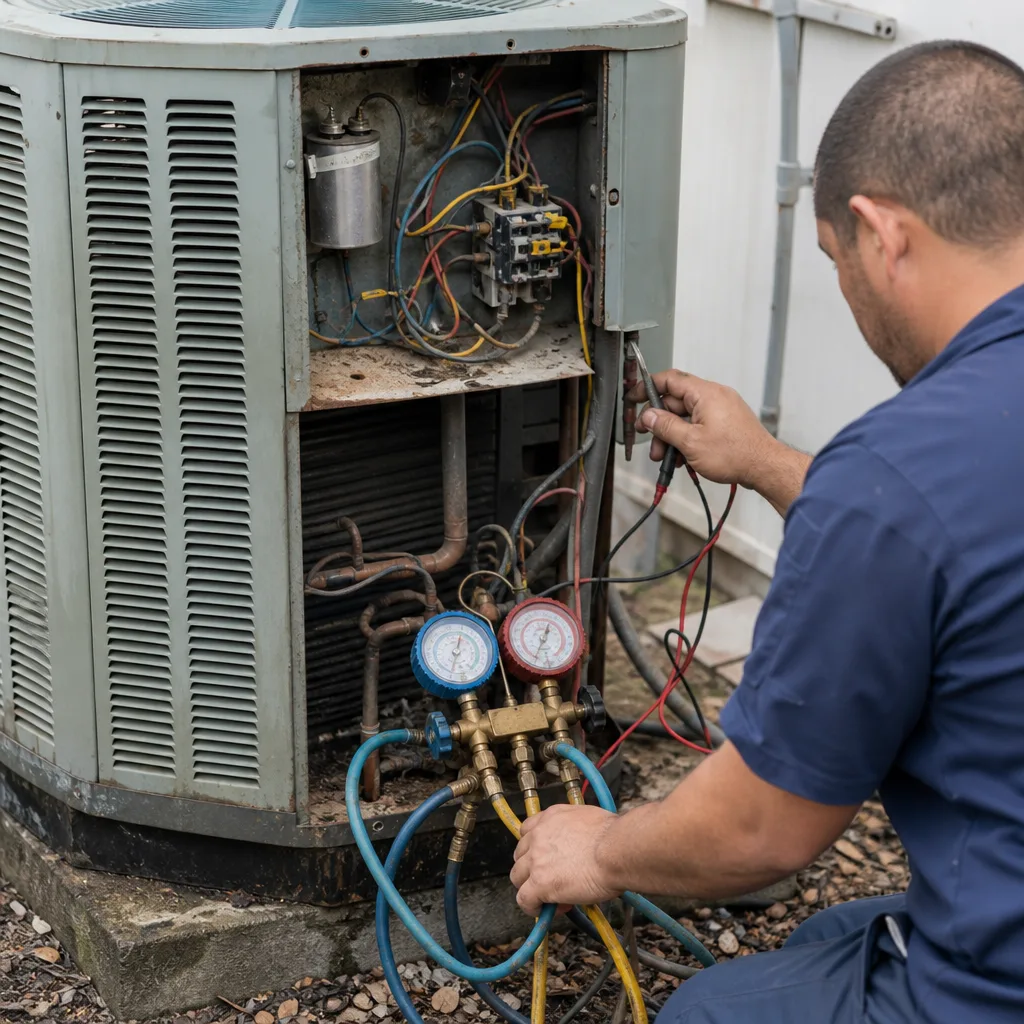 Before
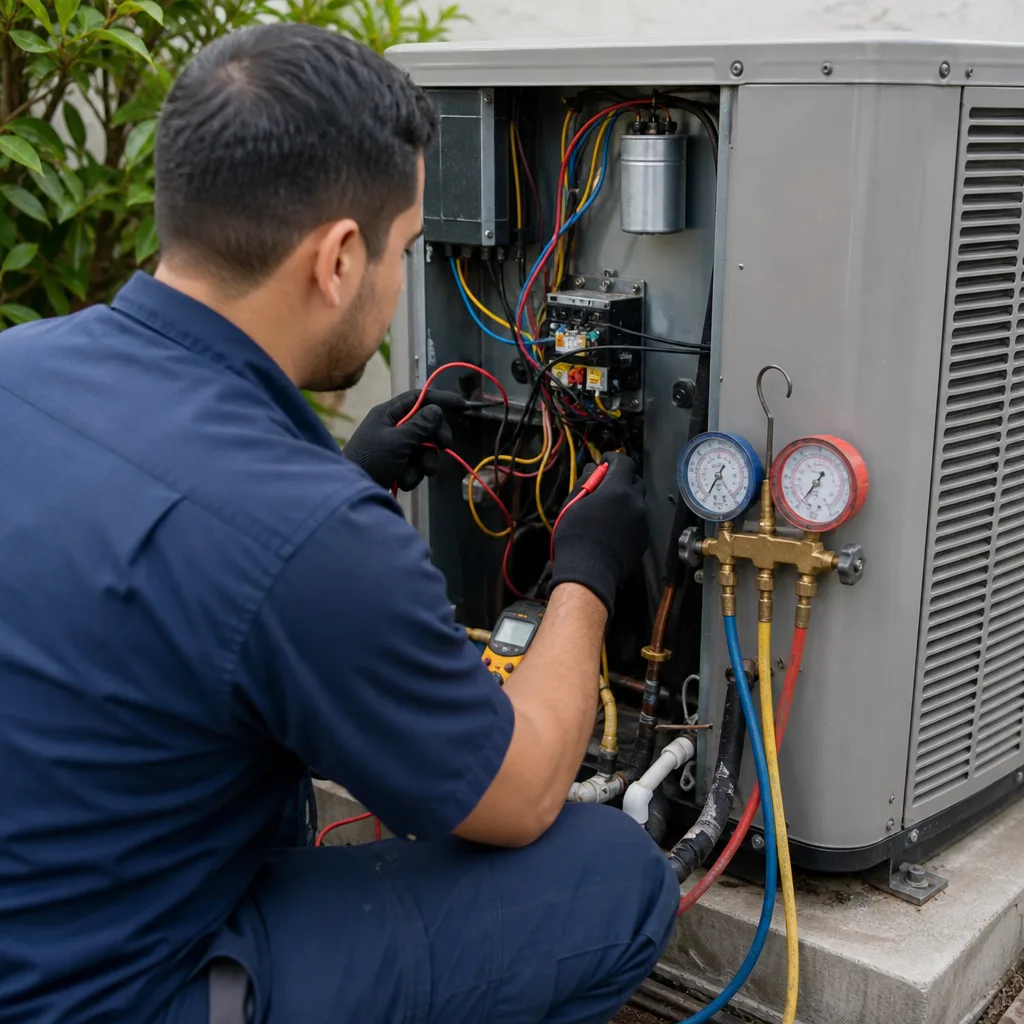 After
After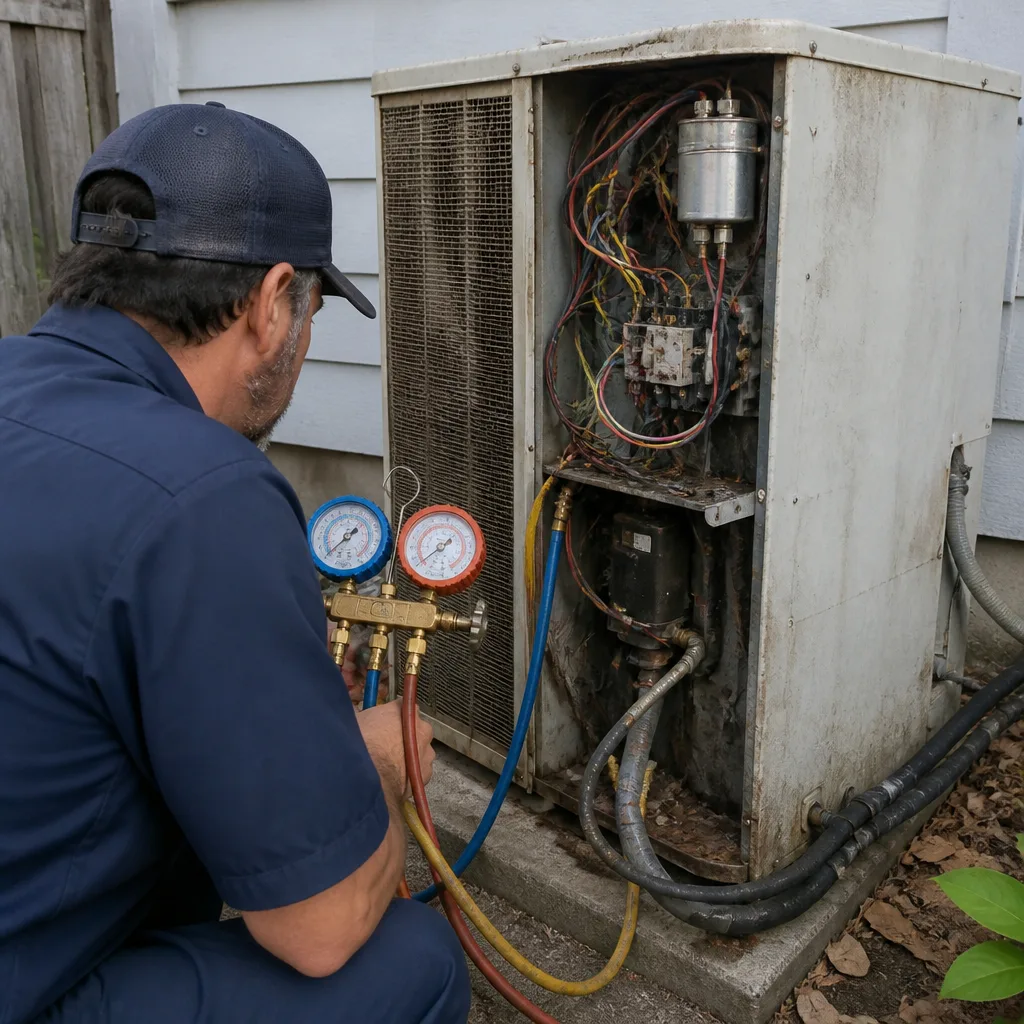 Before
 After
After Before
 After
After