
Last updated October 16, 2026
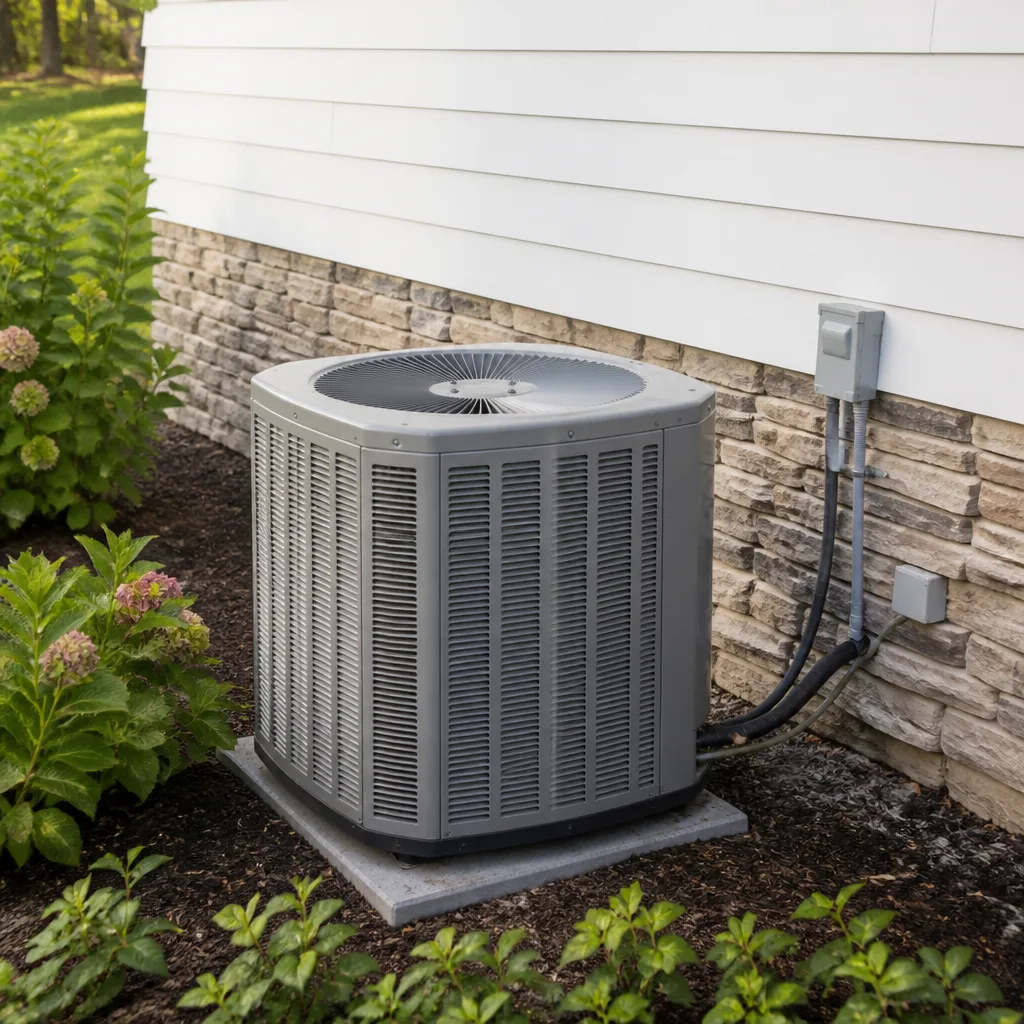 AC repair
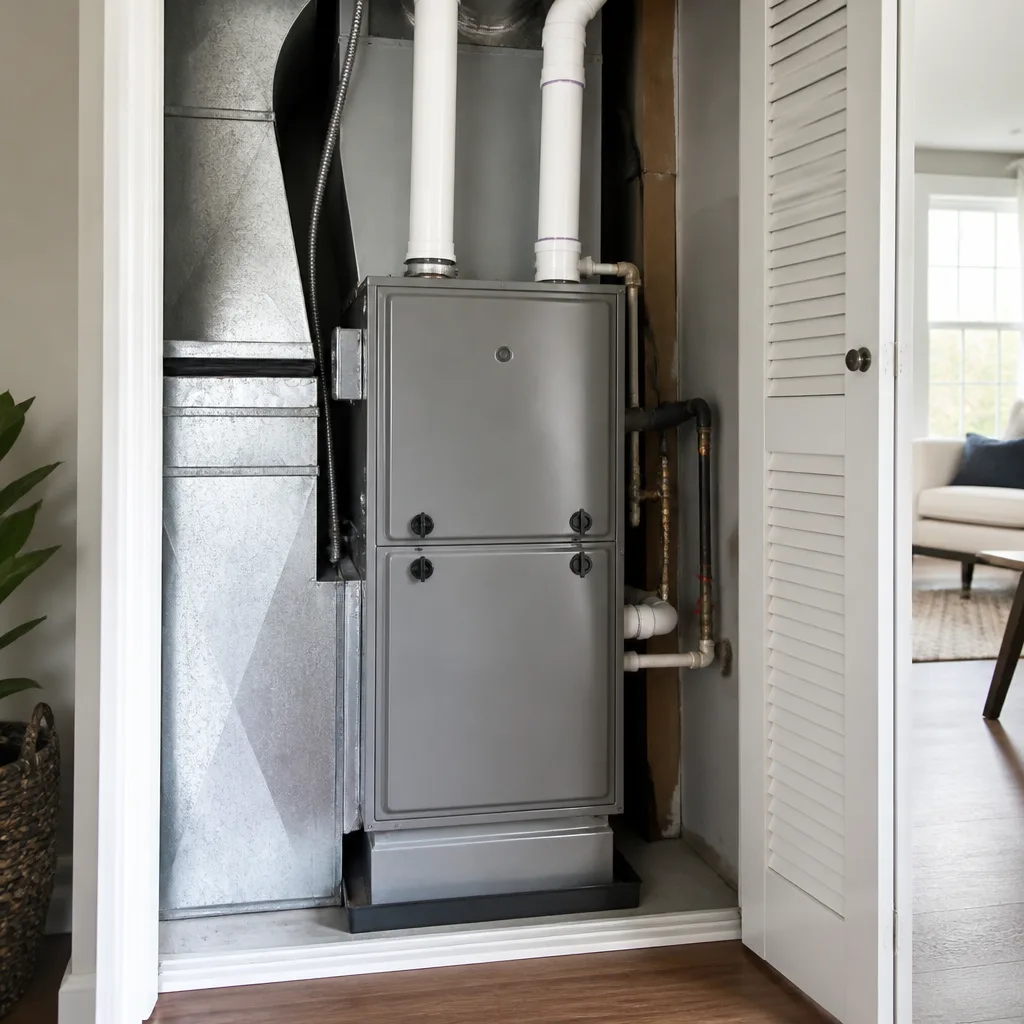 Furnace & heating
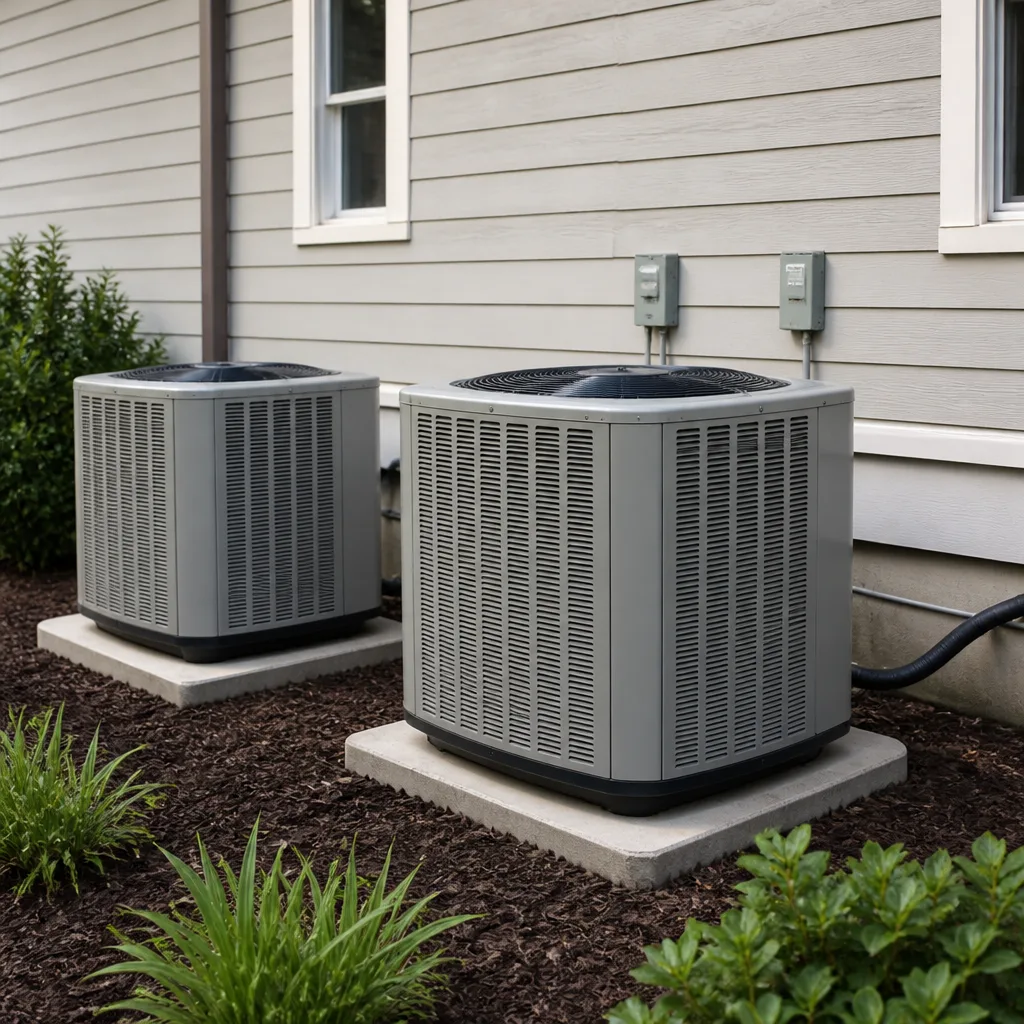 Heat pumps
 Carrier
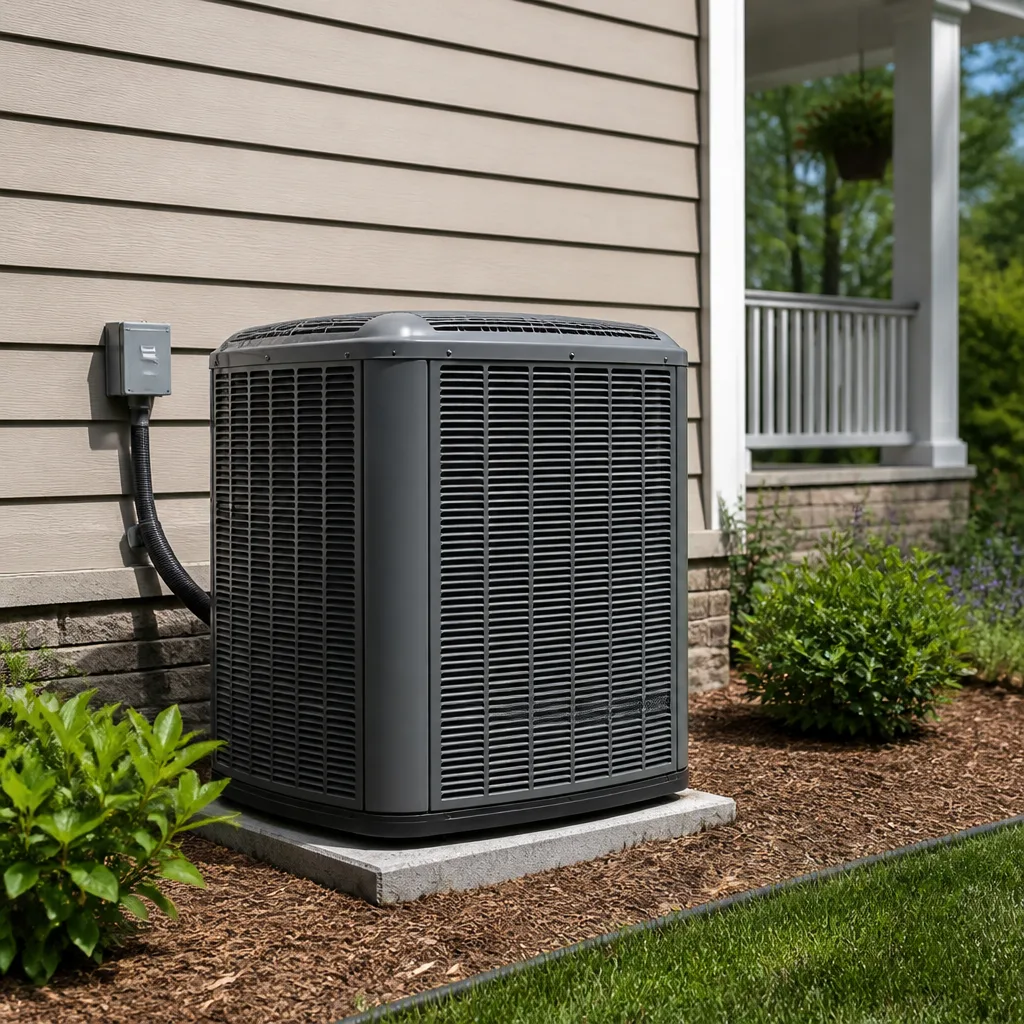 Trane
TraneSeasonal tune-up and full diagnostic on your Carrier, Trane, or Goodman system - readings shown to you before any repair is proposed
Diagnosis first, numbers second - you approve the repair price before a single part goes in.
Get your free estimateHVAC Cost Breakdown: The Miami Homeowner’s Reference for 2026
A $4,800 quote and a $7,200 quote for the same 3-ton replacement can both be legitimate. One contractor is quoting a builder-grade unit with no permit and a 1-year labor warranty. The other is quoting a coastal-rated system, pulling permits, and standing behind the install for a full year. The number alone tells you nothing. This guide breaks down what HVAC work actually costs in Miami in 2026, line by line, so you can read a quote instead of just comparing totals. For HVAC warning signs every Miami homeowner should watch for, see our companion guide. You’ll learn why Miami pricing runs 20 – 30% above national averages, what each line item should include, and how to spot when a low bid is just a bill you’ll pay twice.
Quick Answer
HVAC replacement in Miami in 2026 runs roughly $9,000 – $18,000 for a full split system, $5,500 – $9,500 per zone for mini-split installation, and $4,000 – $10,000 for ductwork replacement, assuming the job is permitted. What drives Miami pricing above national averages is a combination of licensed labor costs, Miami-Dade permit fees, coastal-rated equipment required by code, and refrigerant costs following the R-410A phasedown. A realistic budget for a standard 3-ton replacement with mid-tier equipment is $11,000 – $14,000.
Styles & brands we work with
Table of Contents
- Miami Replacement Costs by System Size (2026)
- Why Miami HVAC Work Costs More Than the National Average
- How to Read an HVAC Quote Line by Line
- SEER2 Efficiency Math: What an Upgrade Actually Saves in Miami
- Financing and Rebates: A Miami Reality Check
- Repair or Replace: The Decision Framework
- Ductwork and Mini-Split Costs in Miami
- Common Mistakes to Avoid
Miami Replacement Costs by System Size (2026)
Most Miami homes run either a 2-ton, 3-ton, or 4-ton split system. The numbers below reflect what we’re seeing on current permitted jobs in the Miami market. These are installed prices: equipment, labor, permit, refrigerant, disposal of the old unit, and the startup and testing. If a quote comes in below these ranges and you didn’t get a written breakdown, something got cut.
- 2-ton split system replacement: $8,000 – $12,500. Typical for condos and small homes up to about 1,200 square feet. Many Miami condo buildings require specific setbacks and drain pan requirements, which add to install time.
- 3-ton split system replacement: $10,500 – $15,500. The most common size in Miami single-family homes, covering roughly 1,500 – 1,800 square feet depending on ceiling height and window exposure.
- 4-ton split system replacement: $12,500 – $18,000. Larger two-story homes or houses with large western exposure. The equipment price difference between 3-ton and 4-ton is modest; the labor and ductwork modifications are where the cost climbs.
These ranges assume a mid-tier unit from Lennox, Goodman, or Rheem. Budget-tier equipment exists and will lower the upfront number, but Miami’s humidity punishes underbuilt coils. Eight months of continuous runtime in salt air is a harder environment than most of the country faces in five years. In our experience across Miami, we’ve replaced coils on coastal units that were only four or five years old because the fins had corroded to dust. The unit that costs $900 less today can cost $2,800 more over a decade.
Every job we price at Dalton Heating & Air Miami home includes the permit, the equipment, the labor, and a written guarantee on the entire install. The price we put in front of you is the price on the invoice. No change orders because the crew “found something.” If there’s a real scope change, the new price goes in writing before we touch it.
Why Miami HVAC Work Costs More Than the National Average
National cost guides are built on averages from Ohio, Texas, and Oregon. Miami is not average. Here’s what pushes Miami pricing 20 – 30% above what you’ll see on generic cost-calculator sites.
Miami-Dade permit fees and inspections. Miami-Dade County requires mechanical permits for HVAC replacements, and the permit process involves plan review and post-install inspection. Our guide to HVAC Permits, Codes & Inspections in FL: What You Need to Know walks through the full process. Permit fees alone typically run $200 – $600 depending on the scope. Then there’s the time: the installer has to schedule the inspection, meet the inspector, and address any corrections. That’s labor hours baked into the price.
Coastal equipment requirements. Miami-Dade’s High Velocity Hurricane Zone (HVHZ) code is the strictest in Florida. Outdoor condensing units must be anchored with hurricane straps or pads engineered for wind uplift. Corrosion is another factor: units installed near the coast – anywhere east of US-1 and much of the barrier islands – need coastal coatings like Bohn coil protection to survive the salt air. That coating adds $300 – $700 per unit, and skipping it means you’ll replace coils early.
Licensed labor market. Miami’s construction labor market is tight. Licensed HVAC technicians who can pull a Miami-Dade permit and pass inspections command higher rates than in less regulated markets. You’re paying for someone who knows the code, not someone who learned on YouTube last week.
Refrigerant costs after the R-410A phasedown. R-410A production is being phased down under the AIM Act, and prices have climbed steadily since 2023. New systems are moving to A2L refrigerants like R-454B and R-32, which require specialized training and tooling. That transition adds cost to both equipment and labor. If your existing system needs a refrigerant top-off and it uses R-410A, expect to pay more for the refrigerant than you would have three years ago – and a system that needs refilling is telling you it has a leak.
Runtime and wear. A Miami AC runs 3,000+ hours a year. A Chicago AC runs 600. The compressor, the contactor, the capacitor, the fan motor – every component wears out on a Miami schedule. That shorter lifespan gets priced into replacement economics and seasonal HVAC care planning.
How to Read an HVAC Quote Line by Line
A real quote should have line items. If someone hands you a single number with no breakdown, you can’t evaluate what you’re buying. Here’s what each line means and what it should say.
- Equipment. The condensing unit, air handler or furnace, and coil. Look for the make and model number. If the model number isn’t on the quote, you can’t verify the equipment exists or compare it to anything. A quote that says “3-ton unit” without a model number is a guess.
- Labor. Installation labor for a standard replacement usually runs $2,500 – $5,000 depending on access, attic conditions, and system complexity. This covers removal of the old equipment, setting the new equipment, brazing the line set, wiring, and startup.
- Permit and inspection. $200 – $600 in Miami-Dade depending on scope. If this line is missing, the job isn’t permitted. Unpermitted work can cause insurance claims to be denied after a storm, and it’s a red flag when selling the home.
- Refrigerant. New systems ship with enough refrigerant for a standard line set, but longer runs need additional charge. This should be spelled out.
- Disposal and cleanup. Hauling away the old unit and refrigerant recovery. The refrigerant in the old system must be recovered legally – it can’t just be vented. This is a real cost, usually $150 – $300.
- Warranty. Equipment warranty from the manufacturer (usually 10 years on the compressor if registered, 5 years if not). Labor warranty from the contractor. This is where many Miami quotes fall short. A 10-year parts warranty means nothing if you’re paying $1,200 for the labor to install the replacement part.
What’s missing when a quote is just one total number? The permit. The permit. The labor warranty duration. The model number. The SEER2 rating. The condensate overflow protection (a big deal in Miami attics, where a clogged drain can flood a ceiling). Before you sign anything, ask for the breakdown. If the contractor won’t give it to you, AC repair in Miami from a company that will.
At Dalton Heating & Air Miami, every job starts with a written price before any work begins. That’s true for a $250 capacitor swap and a $15,000 full replacement. The Garrison Standard – the operating code we’ve been held to since 2003 – requires it. No exceptions.
SEER2 Efficiency Math: What an Upgrade Actually Saves in Miami
SEER2 is the efficiency rating system that replaced SEER in 2023. The “2” reflects more realistic testing conditions. A 15 SEER2 unit is the current minimum-efficiency sweet spot for Miami resale value and code compliance. An 18 SEER2 unit is a meaningful upgrade. A 20+ SEER2 unit is a premium system, usually a heat pump with variable-speed operation.
Here’s the actual math for a Miami homeowner on an FPL bill, using a typical 3-ton system running 3,000 hours per year and paying Florida’s average residential electricity rate of roughly 14 cents per kilowatt-hour.
- 15 SEER2, 3-ton: roughly 3.6 kW per hour of runtime. 3,000 hours × 3.6 kW × $0.14 = about $1,510 per year.
- 18 SEER2, 3-ton: roughly 3.0 kW per hour. 3,000 hours × 3.0 kW × $0.14 = about $1,260 per year.
- Annual savings: roughly $250 per year.
- Upgrade cost: typically $2,500 – $3,500 on the installed price.
- Payback period: 10 – 14 years.
That payback math is unkind if you’re only looking at utility bills. But there’s more in play. Higher-SEER2 units tend to be two-stage or variable-speed, which means better humidity control. In Miami, humidity is half the comfort battle. A variable-speed system also runs quieter and holds temperature more evenly. And if you’re financing the unit over 10 years, the $250 annual savings offsets part of the monthly payment from month one.
Our honest take: in Miami, the efficiency upgrade past 18 SEER2 is usually a comfort decision, not a pure payback decision. Buy it because you want the humidity control and the quieter operation, not because you expect the electric bill to pay for it. The math just doesn’t close that way at current Miami electricity rates.
Financing and Rebates: A Miami Reality Check
Every HVAC contractor offers financing. Every manufacturer advertises rebates. Every utility promotes efficiency programs. Here’s what’s actually true in Miami in 2026.
FPL rebates are real, but the requirements are specific. FPL’s Home Energy Savings program offers rebates for qualifying high-efficiency systems. To qualify, the system must meet minimum SEER2 thresholds, be installed by a participating contractor, and be verified through FPL’s process. The rebate amounts are modest – typically a few hundred dollars, not thousands. It’s a discount on the back end, not a reason to choose a system.
Manufacturer rebates require registration and timing. Lennox, Goodman, and Rheem run seasonal rebate promotions. To claim one, the system usually must be registered within 60 days of install, the contractor must be a factory-authorized dealer, and the rebate often applies only to complete systems, not individual components. Ask the contractor to handle the paperwork and put the rebate amount in writing on the quote. If they wave it off, find another contractor.
Contractor financing vs. a HELOC. Contractor financing is convenient but typically carries APRs of 9% – 18% for borrowers with strong credit, and significantly more for weaker credit. Many “0% for 12 months” offers are deferred-interest plans: if the balance isn’t paid within the promotional window, interest is charged retroactively from the purchase date. A HELOC, if you have equity, usually runs 7% – 10% and the interest may be tax-deductible. Run both numbers before you sign the financing agreement. The monthly payment on a $12,000 install at 12% over 10 years is about $172. At 18%, it’s about $217. That difference is the cost of convenience.
If you’re considering a heat pump installation in Miami, ask about any available utility or manufacturer incentives for heat-pump-specific equipment. Heat pumps qualify for some programs that traditional air conditioners don’t.
Repair or Replace: The Decision Framework
Someone tells you the compressor burned out and you need a new system. Is that true? Sometimes. Here’s the framework that keeps you from paying for either a band-aid or a needless replacement.
The $5,000 rule applies differently in Miami. The classic rule is: multiply the repair cost by the age of the unit. If the result exceeds the cost of a replacement, replace. But in Miami, runtime matters as much as age. A 12-year-old system in Miami has run as many hours as a 25-year-old system in Boston. If your system is 10+ years old and the repair is more than $2,000, strong case for replacement. If the system is under 8 years old and the repair is under $1,500, repair usually wins.
What to do when the compressor fails on a 9-year-old unit. A compressor replacement in Miami typically runs $2,800 – $4,200 installed, depending on the compressor type and system tonnage. On a 9-year-old Miami system, you’re gambling that the evaporator coil, the condenser fan motor, and the reversing valve (if it’s a heat pump) will all last another few years. Some will. Some won’t. This is the moment to look at the total picture: if the unit has needed two repairs in the past 18 months, the next repair is not a surprise.
We work on all nine major residential brands – Carrier, Trane, Lennox, Goodman, Rheem, York, Daikin, Bryant, and American Standard – so our recommendation doesn’t depend on what we sell. It depends on what we see. If it’s worth repairing, we’ll tell you, and furnace repair in Miami gets the same honest math. If it’s not, we’ll show you the written numbers for both paths and let you decide.
Ductwork and Mini-Split Costs in Miami
Mini-split installation. In Miami, a single-zone mini-split install runs $5,500 – $9,500 depending on the brand, the length of the line set, and the difficulty of the run. Multi-zone systems covering three or four rooms run $14,000 – $22,000. Mini-splits are a strong choice for Miami home additions, converted garages, and older homes without ductwork. They’re also efficient: most mini-splits carry SEER2 ratings of 20+, and because they don’t lose energy through leaky ducts, they can cut cooling costs in an uninsulated space by a third or more. The tradeoff: you’ll see indoor wall units. Some homeowners don’t mind. Some do.
Ductwork replacement. In Miami, ductwork replacement runs $4,000 – $10,000 for a typical 1,800-square-foot home, depending on access, the number of supply runs, and whether the ducts are in the attic or in a crawl space. Miami attics are brutal spaces to work in – 130°F+ during summer afternoons. That heat is also why duct sealing matters: leaky ducts in a roasting attic can quietly bleed 20 – 30% of your cooling into unconditioned space. If your ducts are original to the home and the house was built before 2005, have them inspected before you size a replacement system. New equipment on bad ducts is a waste of money.
Coastal homes from Coral Gables to Cutler Bay often have attic-mounted air handlers, and the combination of salt air and attic heat shortens the life of anything up there. Plan on a static pressure test and a duct leakage test as part of any full replacement. It’s a few hundred dollars and it tells you exactly what’s happening in the parts of the system you can’t see.
Common Mistakes to Avoid
- Signing a quote with no permit line. In Miami-Dade, unpermitted HVAC work is a liability: insurance claim denials, code violation flags when you sell, and no inspection to catch a poor install. If the contractor won’t pull a permit, they’re not the contractor for you.
- Buying the smallest unit to save money. An undersized system in Miami runs nonstop from June through September, never reaches setpoint on the worst days, and wears out early. Size the system to the home, not to the bid.
- Ignoring the labor warranty. A 10-year parts warranty with a 1-year labor warranty means you’re paying full labor rates for every warranty repair after year one. Ask for the labor warranty in writing.
- Choosing a contractor on total price alone. The $4,800 quote that skips the permit, the coastal coating, and the labor warranty isn’t cheaper. It’s deferred.
- Deferring maintenance to “save” money. In Miami, a clogged condensate drain or a dirty coil will cost you more than the maintenance visit. This is a market where neglect is expensive.
- Financing without reading the APR terms. Deferred-interest promotions have been the source of some of the angriest phone calls we’ve fielded. Read the full agreement, not just the monthly payment.
- Replacing the outdoor unit only. Mismatched equipment – new outdoor unit, old indoor coil – kills efficiency and shortens the equipment’s life. If the coil doesn’t match the new condensing unit’s refrigerant or capacity, the whole job is compromised.
See the difference
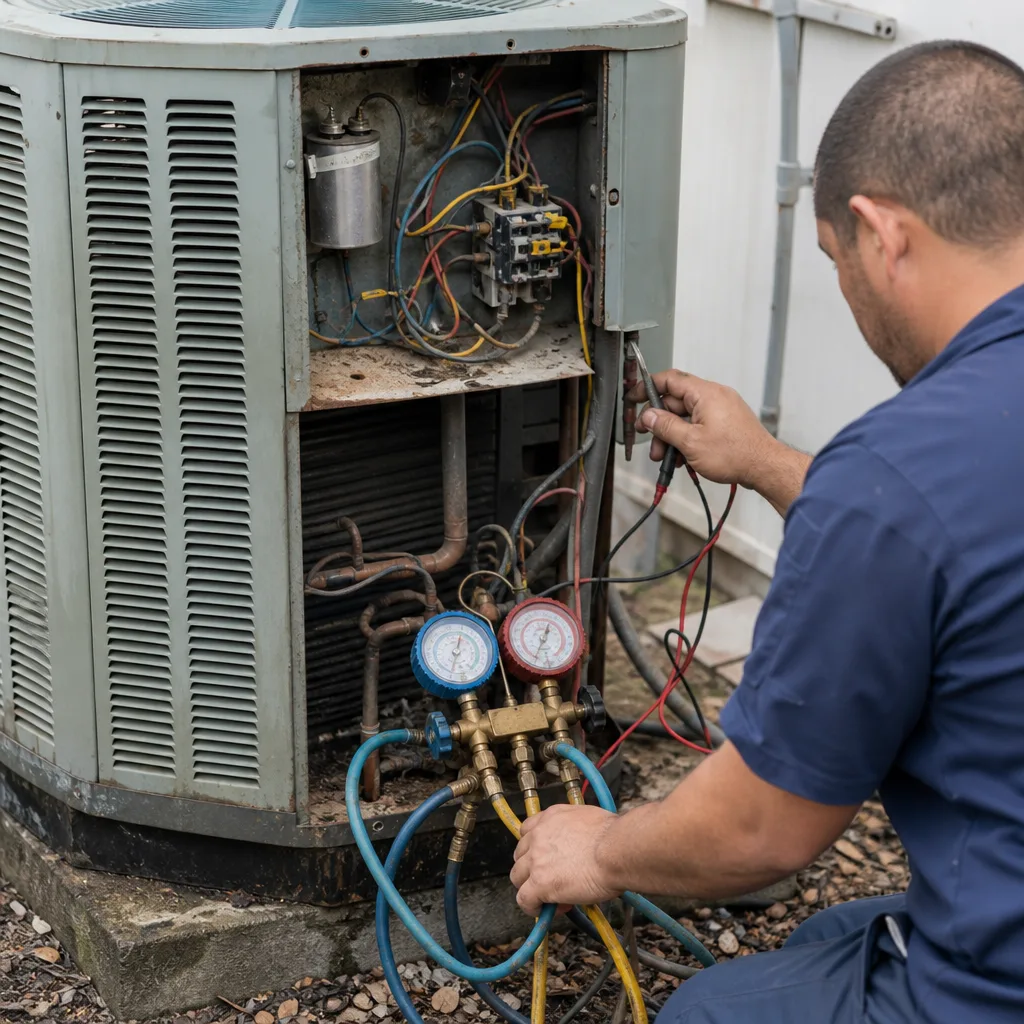 Before
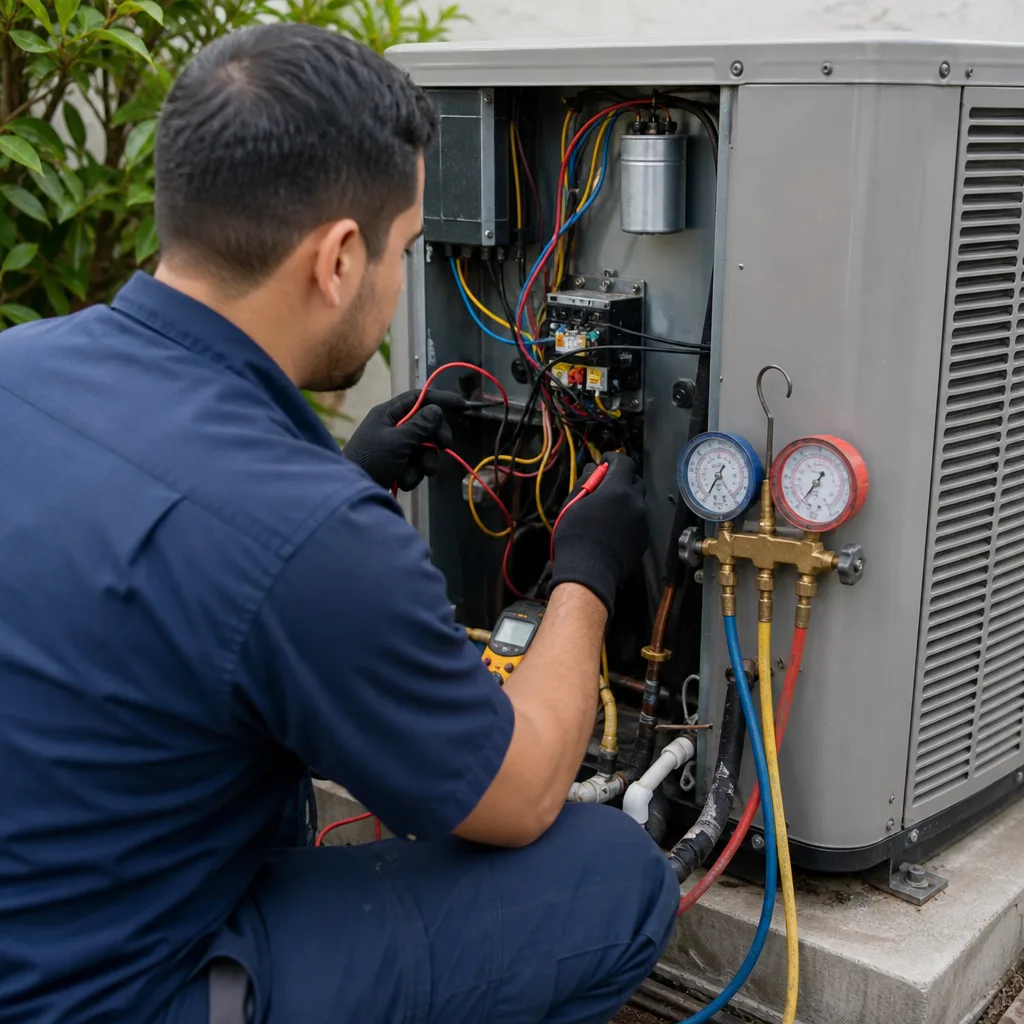 After
After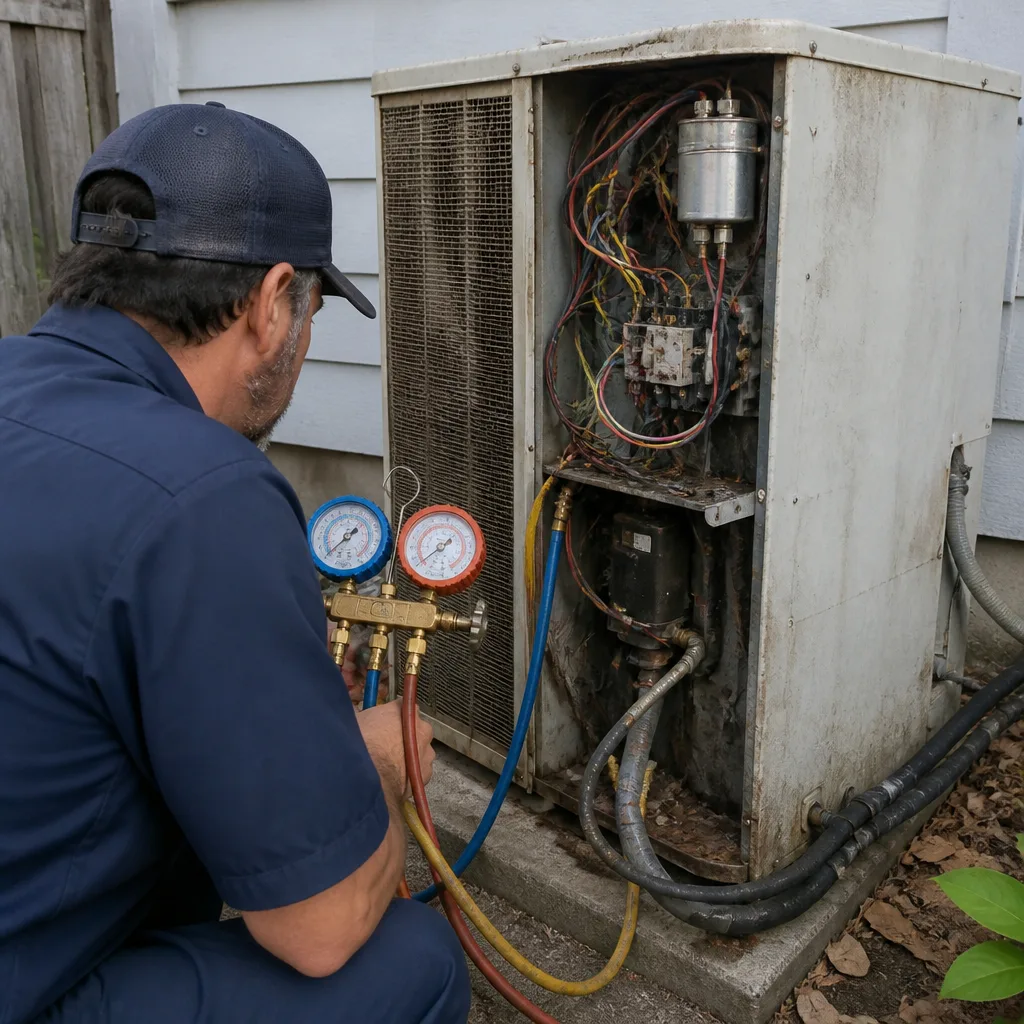 Before
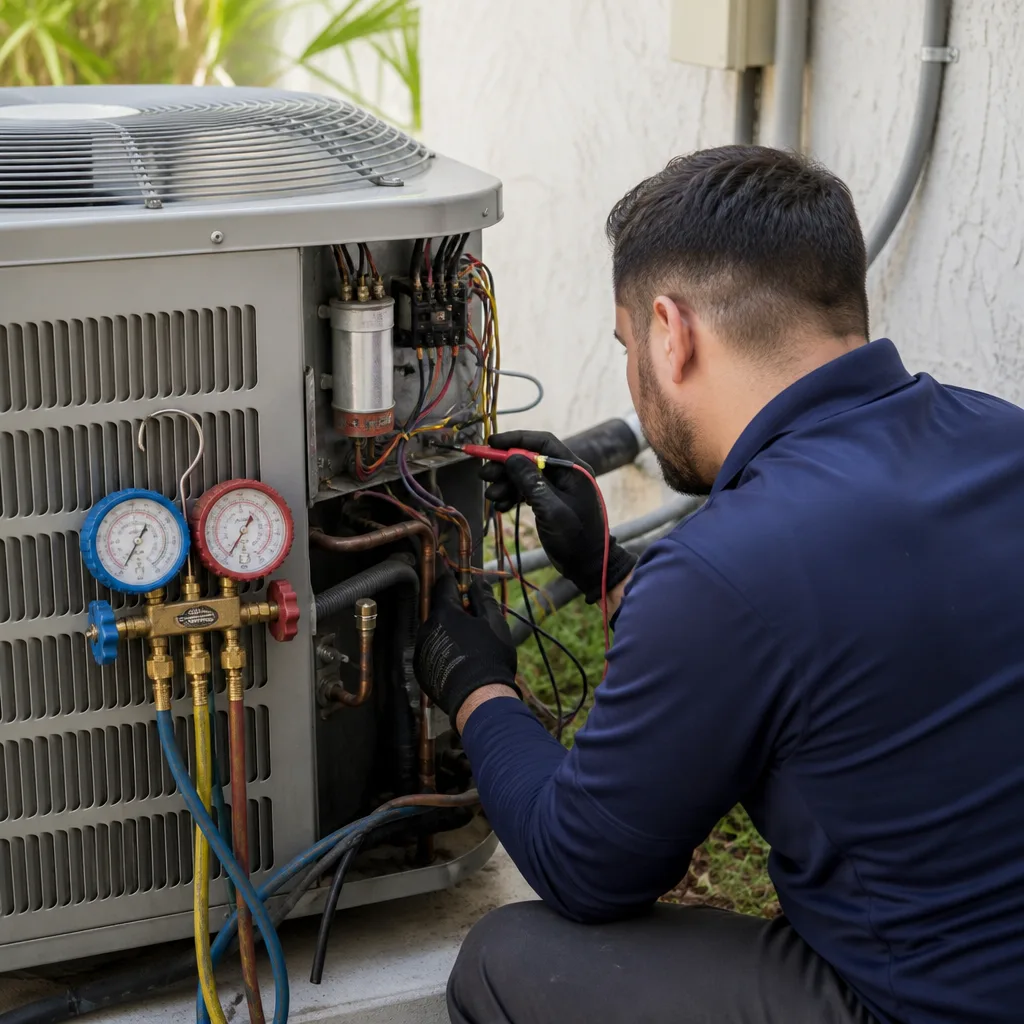 After
After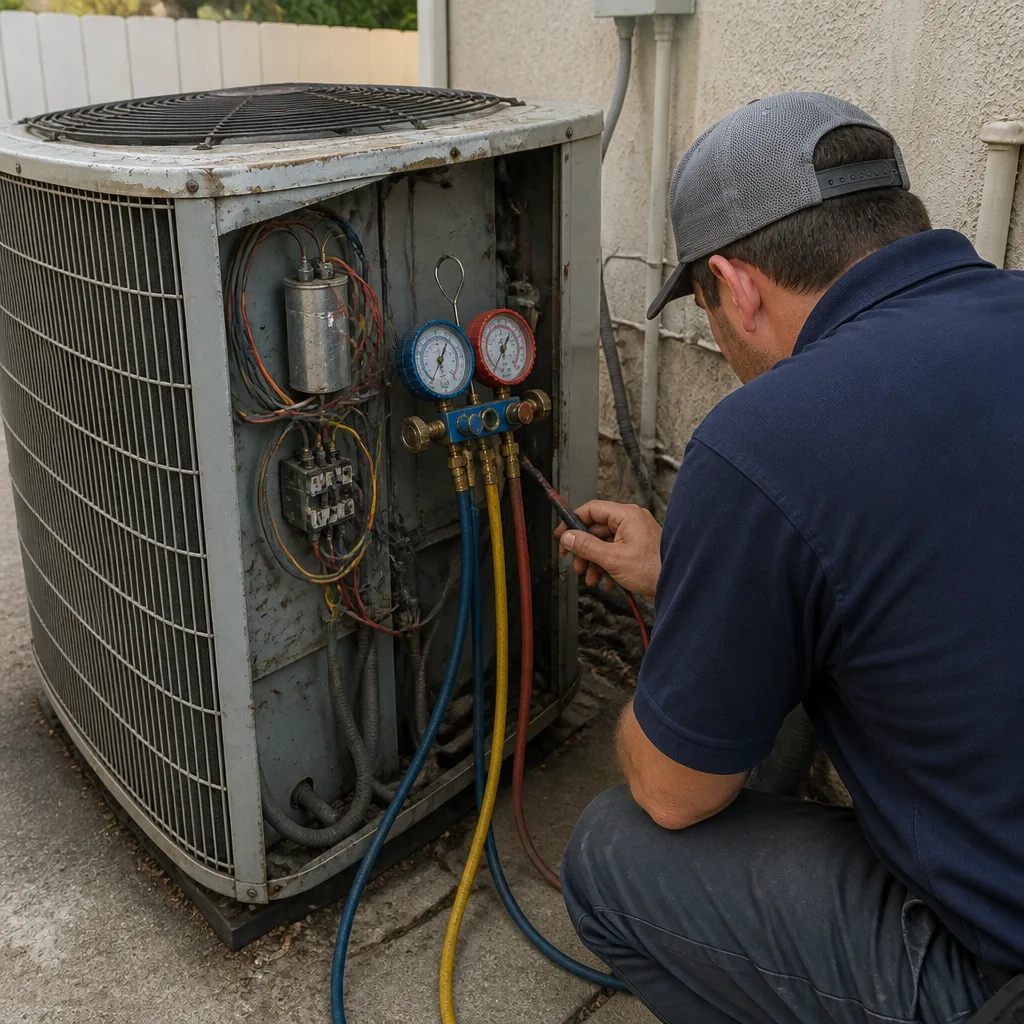 Before
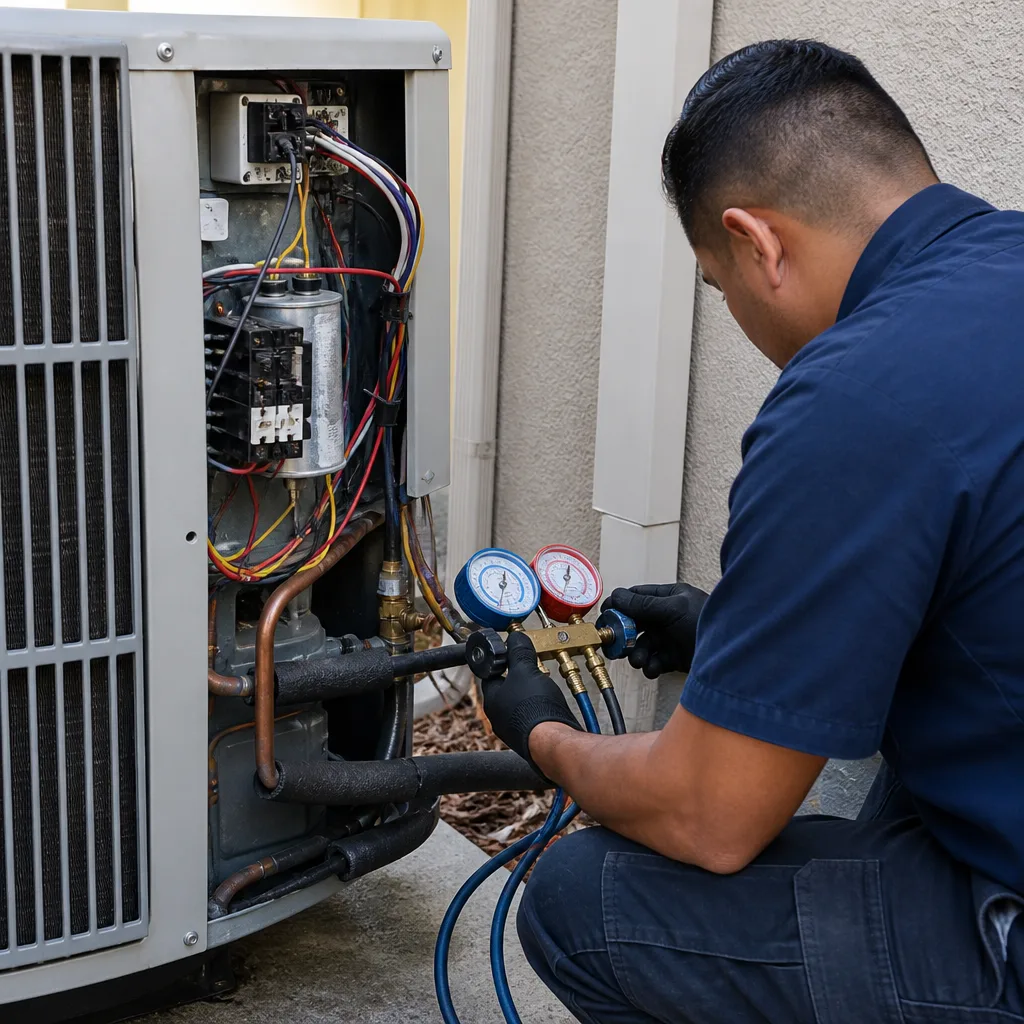 After
AfterWhen to Call a Professional
You should call a professional whenever the job touches refrigerant, electrical wiring, or gas lines. Refrigerant is federally regulated and requires an EPA certification to handle. Electrical and gas work inside the unit carries real risk and should never be a DIY project. Beyond safety, there’s a practical threshold: if you’re reading the error code on a control board, or the system is short-cycling, or the breaker trips twice, you’re past the point of troubleshooting with a multimeter you bought at the hardware store. Dalton Heating & Air Miami offers free estimates in Miami – call (850) 754-6042 and we’ll send a background-checked, uniformed technician with a written price before any work begins.
Frequently Asked Questions
A full split-system replacement in Miami in 2026 typically costs $9,000 – $18,000 installed, with a 3-ton system landing at $10,500 – $15,500. This assumes a permitted job with mid-tier equipment. Budget equipment and skipped permits can lower the upfront number, but they shift risk onto the homeowner. Call (850) 754-6042 for an exact quote on your specific system – estimates are free.
Miami prices run 20 – 30% above national averages because of Miami-Dade permit fees, coastal equipment requirements like Bohn coil coatings and hurricane straps, a tight licensed labor market, and refrigerant price increases following the R-410A phasedown. Any Miami homeowner evaluating quotes against a national cost guide is comparing against numbers that don’t reflect local code or climate.
For most Miami homes, an 18 SEER2 upgrade saves about $250 per year on FPL bills, which means a 10 – 14 year payback on a $2,500 – $3,500 price difference. The real benefit is comfort: higher-efficiency systems are typically variable-speed, which means better humidity control and quieter operation. It’s a comfort decision more than a financial one.
You can, but you shouldn’t. Unpermitted HVAC work in Miami-Dade can void insurance claims after a storm, create a red flag when you sell the home, and bypass the inspection that catches dangerous or substandard installs. The permit line on a quote is the difference between a contractor who follows code and one who is willing to cut corners on your home.
The most common HVAC repair in Miami is a failed capacitor, which typically costs $150 – $350 to replace including the service call. Close behind are clogged condensate drain lines ($125 – $250) and failing contactors ($200 – $400). The most expensive common repair is a compressor, which runs $2,800 – $4,200 in Miami depending on the unit.
If your home is east of US-1 or within a few miles of Biscayne Bay or the ocean, yes. Salt air corrodes standard aluminum coils in four to six years in coastal Miami. Coastal-rated units with coated coils last significantly longer and should be part of any replacement conversation for homes in Brickell, Coconut Grove, Key Biscayne, or Miami Beach. Call (850) 754-6042 and we’ll assess your home’s exposure and give you a written recommendation.
The Bottom Line
HVAC pricing in Miami is not transparent on its own. Two quotes for the same job can differ by 50% and both be honest – or one can be a bill you’ll pay twice. The way through is to demand a line-item breakdown, verify the permit, confirm the model number, and read the labor warranty terms before you sign. Expect to pay $9,000 – $18,000 for a full replacement in Miami in 2026, and expect the price to be higher than a national cost guide tells you. That’s the cost of living in a hurricane zone with strict codes, salt air, and eight-month cooling seasons. Choose a contractor who puts every number in writing before the work starts and stands behind the install for a full year. Explore more guides & resources to protect your investment.
Written by Marco Benitez, Owner at Dalton Heating & Air Miami, serving Miami since 2003.